
Published: 25 May 2026
Reading Time: 9 minutesReviewer: Jace Liu, Technical Specialist in SMT Systems
Introduction to Nitrogen Reflow Ovens for 2026
If you’ve ever wondered why some circuit boards look flawless while others have solder problems, the answer often comes down to the reflow process. Nitrogen reflow ovens have become essential equipment in SMT manufacturing, and for good reason.
These specialized machines create a low-oxygen environment during soldering, which means less oxidation, better solder wetting, and fewer defects like bridging or tombstoning. For manufacturers producing high-density electronic assemblies, that translates directly into higher yields and lower waste.
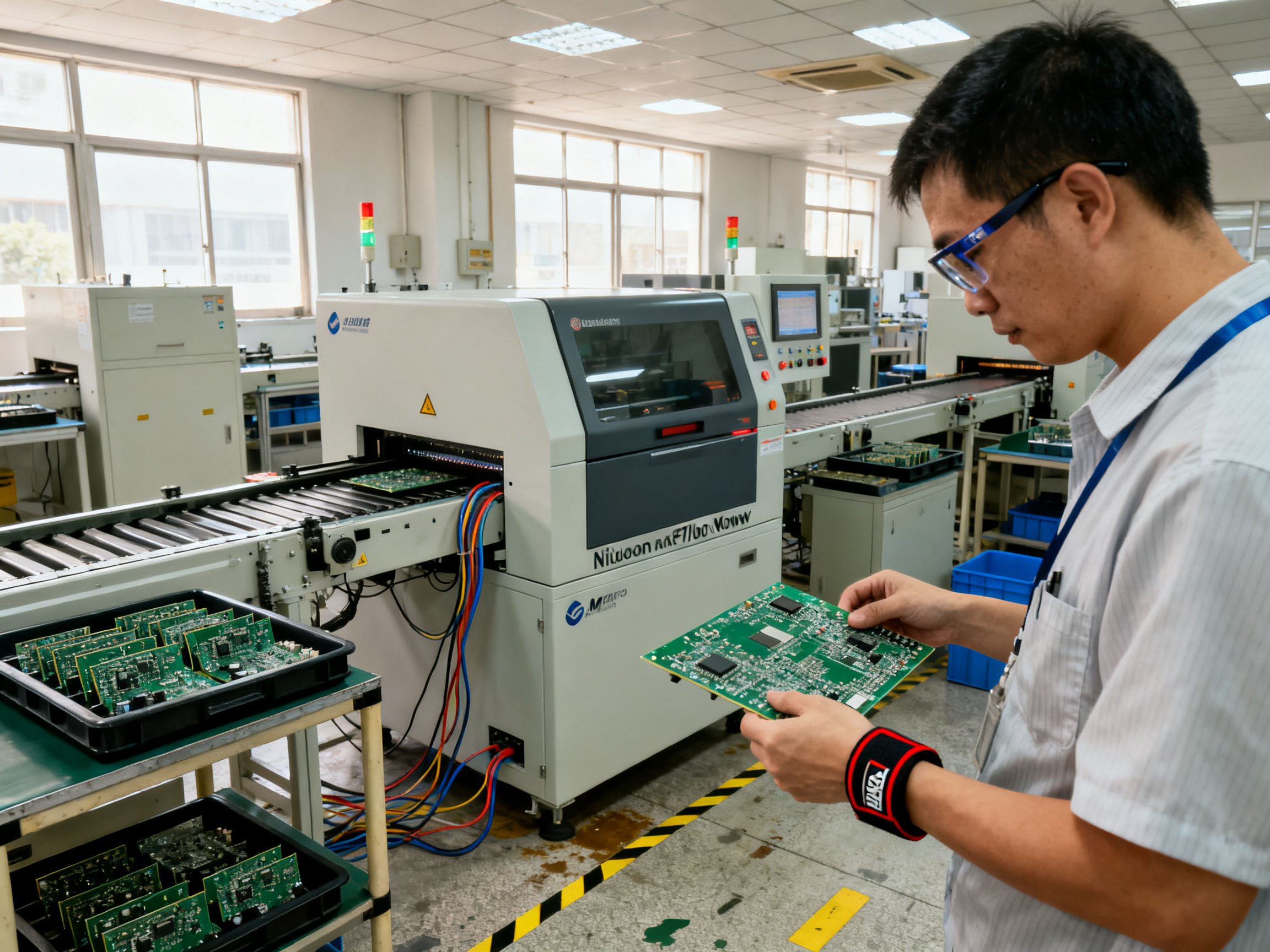
The benefits go even further. Nitrogen reflow ovens work exceptionally well with lead-free solder alloys, which require higher processing temperatures. The inert atmosphere protects components from thermal stress while maintaining consistent joint quality across the entire board. It’s why you’ll find these systems in smartphone manufacturing plants, semiconductor assembly facilities, and military electronics production lines.
Jace Liu is a seasoned engineer with over a decade of experience in the SMT manufacturing industry. Specializing in soldering systems and advanced production line automation, Jace has helped major manufacturers optimize their processes for higher efficiency and quality. His expertise ensures actionable insights for electronics manufacturers investing in innovative technology.## Why Choose Nitrogen Reflow Ovens in Your SMT Production Line?
Let’s talk about what actually happens during the soldering process. When hot air meets solder paste and your PCB components, you get a chemical reaction. Oxygen in the air attacks the metal surfaces, creating oxidation that interferes with proper bonding. That’s where things go wrong, and suddenly you’re dealing with bridging, tombstoning, or weak joints that fail in the field.
Nitrogen reflow ovens solve this by replacing the oxygen. These machines flood the heating chamber with nitrogen gas, creating what’s called a low-oxygen or near-inert atmosphere. Research shows that nitrogen reflow systems can dramatically reduce common defects like solder balls and voids compared to traditional air-based soldering [Source: https://mpe.researchmfg.com/n2-affect-solder-defect/].
The science is straightforward. When you remove oxygen from the equation, the solder can flow and wet properly without fighting oxidation. No reactive oxygen means cleaner joints and more consistent results across every board that runs through the oven.
Expert Tip: How nitrogen reduces defects in high-volume soldering processes
The inert atmosphere prevents oxidation on both the solder paste and component terminations. This means fewer reworks, less scrap, and better first-pass yield. For manufacturers running thousands of boards per shift, even a small improvement in defect rate adds up to significant cost savings over time.
Temperature profiling gets better too. Without oxygen interfering with heat transfer, you can dial in exact temperature profiles that match your specific board and component requirements. We’ve seen production lines achieve tighter process windows once switching to nitrogen, which makes quality control much simpler.
The environmental angle matters now more than ever. Lead-free solder alloys require higher processing temperatures, which typically means more oxidation risk. Nitrogen reflow handles this challenge directly. You can stay compliant with RoHS and WEEE regulations while still achieving the joint quality your customers expect.
Industries across the board have adopted nitrogen reflow technology for good reason. Consumer electronics manufacturers producing smartphones and tablets depend on these ovens for consistent joint quality in densely packed boards. Automotive electronics, medical devices, telecommunications, aerospace, and semiconductor assembly all rely on nitrogen atmospheres to meet their reliability standards.
| Factor | Nitrogen Reflow Ovens | Traditional Air Reflow |
|——–|———————-|————————|
| Oxidation Level | Minimal | High |
| Solder Wetting | Excellent | Moderate |
| Defect Rate | Low | Higher |
| Lead-Free Compatibility | Excellent | Challenging |
| Temperature Control | Precise | Variable |
| Waste and Rework | Reduced | More Common |
The bottom line? If you’re serious about SMT quality in 2026, a nitrogen reflow oven isn’t optional anymore. It’s the standard that customers and regulations demand.
Key Features to Look for in the Best Nitrogen Reflow Machines
Not all nitrogen reflow ovens are created equal. If you’re shopping for one in 2026, here’s what actually matters.
Temperature uniformity and zone configurations
The best nitrogen reflow machine will give you consistent heat across the entire board. Look for multi-zone systems with precise temperature control. Eight zones minimum for serious production work, though twelve zones offer the tightest profiles for complex boards with mixed component sizes. Each zone should respond quickly to profile changes without overshooting.
Nitrogen purity control
This is where things get interesting. You want an oven that monitors and maintains oxygen levels automatically. The sweet spot sits around 50-100 ppm oxygen concentration. Anything higher and you’re not getting the full benefits. Systems with real-time O2 monitoring let you verify purity without manual testing.
The best inert gas reflow oven also adapts flow rates based on chamber conditions, not just running at full blast constantly. Smart nitrogen management saves gas costs over time.
Energy efficiency and automation
Nobody wants a machine that doubles their power bill. Look for forced convection heating systems with proper insulation and energy recovery features. Programmable idle modes and quick startup times matter for shops running multiple shifts.
Pro Insight: Checklist of must-have SMT reflow oven features
Temperature zones (8 minimum), real-time O2 monitoring, closed-loop nitrogen control, onboard profiling software, real-time monitoring, and auto-purge capability should all be standard in 2026. For production scaling, look for MES integration, barcode traceability, and SPC reporting capabilities.
Built-in automation features handle the tedious stuff. Board mapping, profile storage, and remote monitoring reduce operator intervention. For manufacturers running complex production schedules, this connectivity makes a real difference day-to-day.
Top-Rated Nitrogen Reflow Ovens and Machines for 2026
The nitrogen reflow oven market has matured significantly in recent years. Manufacturers now offer systems tailored to different production scales and budget levels. Here’s how the leading options stack up against each other in 2026.
| Manufacturer | Model Type | Zones | Oxygen Control | Best For | Price Range |
|————–|————|——-|—————-|———-|————-|
| Shenzhen Chuxin Electronic | CX-N8 Series | 8-zone | 50-100 ppm | High-volume smartphone production | Mid-range |
| Shenzhen Chuxin Electronic | CX-N12 Series | 12-zone | <50 ppm | Complex BGA/QFN assemblies | Premium |
| Leading Global Brands | ProLine X1 | 10-zone | Auto-adjust | Automotive electronics | High |
| Mid-Tier Asian | TechWave 500 | 6-zone | 100-200 ppm | Small batch production | Budget-friendly |
Where Shenzhen Chuxin Electronic Equipment Co., Ltd. fits in
S&M Co. Ltd., operating under the Shenzhen Chuxin Electronic brand, targets manufacturers who need precision without enterprise-level pricing. Their CX-N8 Series delivers 8-zone heating with closed-loop oxygen monitoring at a price point that makes sense for growing operations. The CX-N12 pushes into premium territory with sub-50 ppm oxygen control, which handles the most sensitive components like fine-pitch BGAs and QFNs.
From Our Experience: Long-term cost savings from high-efficiency nitrogen ovens
We’ve worked with facilities running the CX-N12 for over two years now. The real savings come from reduced rework rates and lower nitrogen consumption. One plant reported 23% less gas usage compared to their previous oven because the auto-purge system only activates when oxygen levels drift. Initial investment sits higher, but the ROI typically hits within 18-24 months for medium-to-high volume lines.
Precision, compatibility, and scalability
The best nitrogen reflow machine for your operation depends on three factors. First, what precision level do your products demand? Consumer electronics with 0.3mm pitch components need tighter control than industrial boards. Second, does your existing line use standard protocols? Shenzhen Chuxin units integrate with most SMT line configurations without custom engineering. Third, where’s your production heading? Scalability matters if you’re planning to expand volumes within 2-3 years.
Real-world results
One semiconductor assembly facility in Guangdong Province switched to a 12-zone nitrogen system for their microcontroller production. Defect rates dropped from 1.8% to 0.4% in the first quarter alone. Another case involved an automotive electronics supplier who needed lead-free compliance. The nitrogen atmosphere handled the higher processing temperatures without oxidation issues that plagued their air-based system.
The takeaway? Premium systems deliver premium results, but mid-range options from established manufacturers handle most production requirements well. Match your machine to your actual needs, not hypothetical future requirements you might never reach.## Understanding Nitrogen Reflow Temperatures for Optimal Output
Temperature control makes or breaks your soldering results. Get it right and you get strong, reliable joints. Get it wrong and you’re looking at a pile of scrap boards and wasted components.
The reflow profile typically moves through four stages: preheat, thermal soak, reflow, and cooling. Each stage demands specific temperature windows, and nitrogen environments require some adjustments compared to traditional air-based processes [Source: https://www.atco-us.com/2023/10/04/why-reflow-printed-circuit-boards-in-a-nitrogen-atmosphere/].
During preheat, you want gradual warming, usually around 1-2 degrees Celsius per second. Too fast creates thermal shock. Too slow eats into your cycle time. The soak phase typically sits between 150 and 180 degrees Celsius, which lets the flux activate evenly before peak temperatures hit.
Peak temperature matters most for lead-free solders. Most manufacturers target 245 to 260 degrees Celsius in the reflow zone. Nitrogen environments actually help here because you can run slightly lower peak temperatures while still achieving good wetting. Less heat stress on components means fewer failures down the line.
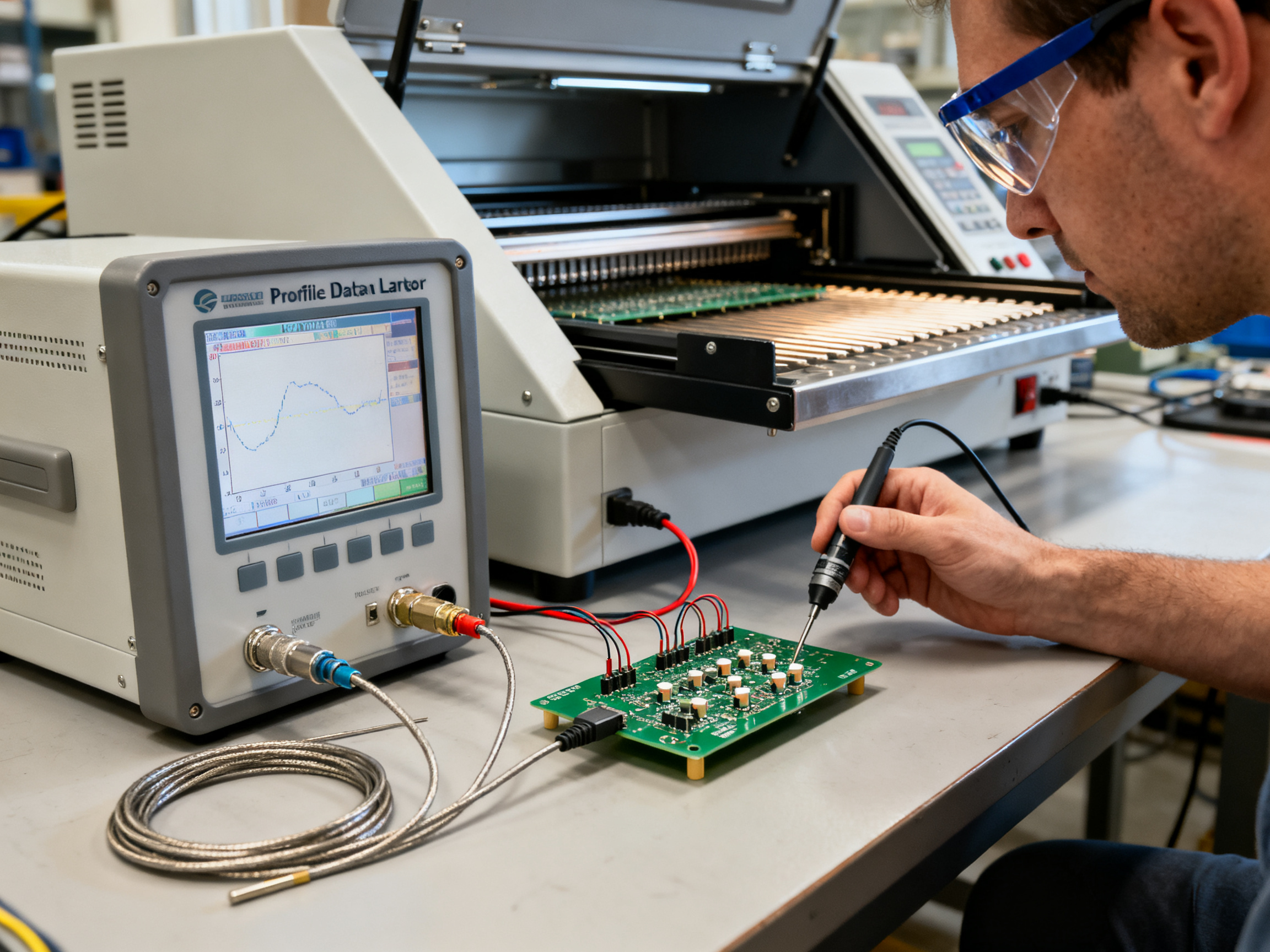
Cooling rates affect final joint strength. Aim for 2-4 degrees per second cooling to prevent thermal shock. Too fast and you get cracked joints. Too slow and the intermetallic layer grows too thick, making joints brittle.
Common temperature problems plague every SMT line. Thermocouple drift causes inaccurate readings over time. Airflow imbalances create hot and cold spots. Chamber contamination insulates heating elements and reduces efficiency. The fix for most issues? Regular maintenance and profile verification before every production run.
For the best nitrogen reflow temperature control, look for ovens with real-time monitoring and automatic profile adjustment. Modern systems from manufacturers like Shenzhen Chuxin Electronic include closed-loop temperature control that responds to changes instantly. This keeps your process window tight even when switching between different board configurations.
Tracking temperature data across runs helps you spot trends before they become problems. Most quality systems log everything automatically, making it easy to prove your process is in control during audits.## Environmental and Cost Benefits of Using Inert Gas Reflow Technology
Let’s be honest. Nobody gets into manufacturing to waste money on scrap boards and rework. But that’s exactly what happens when your reflow process isn’t optimized. Nitrogen reflow ovens change that equation in ways that actually show up on your balance sheet.
The sustainability angle isn’t just marketing fluff either. When you cut defect rates, you automatically reduce waste. Fewer failed boards means less material heading to landfills. Less solder paste wasted. Fewer components tossed in the bin. One automotive electronics supplier told us their scrap rate dropped from 2.1% to 0.6% after switching to a nitrogen system, which translated to roughly 40 tons less electronic waste per year from that line alone.
On the cost side, here’s where it gets interesting. Yes, nitrogen reflow ovens have higher upfront costs than basic air-based systems. But the math works out faster than most people expect. Less rework means lower labor costs. Fewer defects mean happier customers and fewer warranty claims. Reduced nitrogen consumption through smart flow management means operating costs stay manageable.
From Our Experience: Long-term cost savings from high-efficiency nitrogen ovens
One facility running a CX-N12 system tracked their numbers over 18 months. They saved approximately $127,000 in rework costs alone, which more than covered the price difference compared to their previous air-based oven. Energy efficiency features added another $18,000 in annual savings. The payback period hit at month 14.
RoHS and WEEE compliance becomes simpler too. Nitrogen environments handle lead-free solder processing without the oxidation headaches that plague air systems at higher temperatures. You stay ahead of regulations without sacrificing quality or running multiple process variations.
The real insight? The cheapest oven isn’t the cheapest option over three years. Factor in waste, rework, energy, and downtime before you make that decision.## Pro Tips for Selecting the Best Nitrogen Reflow Oven for Your Needs
Picking the right nitrogen reflow oven comes down to three things, and most buyers get at least one wrong on their first purchase.
Match capacity to your actual production volume
Don’t buy a 12-zone beast if you’re running 50 boards a day. But also don’t skimp on zones when your QFN and BGA mix is growing. The best nitrogen reflow machine for you fits your current output plus about 30 percent headroom for growth. That gives you room to scale without buying twice.
Verify compatibility with your production line
Most manufacturers build to standard protocols, but small incompatibilities create big headaches during setup. Check your existing software, communication standards, and board handling systems before you commit. A mid-range oven that plays nice with your line beats a premium system that requires weeks of troubleshooting.
Calculate true ownership costs
The sticker price is just the beginning. Nitrogen consumption rates vary wildly between models. Some older systems run at full blast constantly, while smart systems like Shenzhen Chuxin’s CX-N8 Series adjust flow based on chamber conditions. That difference alone can save thousands annually in gas costs.
Look at maintenance contracts too. What gets serviced? How often? Can you get parts within 24 hours? Downtime kills productivity faster than almost anything else in SMT production.
Ask for a profile test with your actual boards
Any vendor will show you perfect demo results. Demand to run your boards through their machine before signing anything. Temperature profiles react differently to your specific component mix and solder paste. What looks good on paper might fail on your actual product.
The cheapest option almost never wins over three years. Factor in waste, rework, and downtime alongside the purchase price.## Conclusion: Staying Competitive with Advanced Nitrogen Reflow Solutions
The SMT manufacturing landscape keeps shifting, and nitrogen reflow technology has moved from nice-to-have to baseline expectation in 2026. If you’re still running air-based soldering for high-density assemblies, your competitors probably made the switch already.
Here’s what matters most. Nitrogen reflow ovens deliver measurable improvements in defect rates, joint quality, and lead-free processing capability. The upfront investment gets offset by reduced rework, lower waste, and better throughput over time. For most high-volume production lines, the payback hits within 18 to 24 months.
The manufacturers pulling ahead in 2026 share a few traits. They’re investing in precision temperature control, smart nitrogen management, and systems that integrate smoothly with their existing lines. They’re not buying the cheapest option; they’re buying the option that makes sense for their actual production volume and quality requirements.
Expert Recommendation: Innovation Trends to Watch in 2026
The next wave of nitrogen reflow technology focuses on AI-driven profile optimization and predictive maintenance. Expect systems that automatically adjust parameters based on board complexity and real-time quality monitoring. Integration with MES platforms continues improving, enabling full traceability and data-driven process improvements across entire production facilities.
If you’re evaluating your options, start with your actual needs. What defect rates are you seeing now? What volumes do you need to support? What growth trajectory are you planning for over the next three years?
Getting answers to those questions will point you toward the right equipment. And if you need help sorting through the specifics for your production line, reaching out to manufacturers like Shenzhen Chuxin Electronic directly can save you weeks of research. They specialize in matching systems to actual production requirements, not just selling the most expensive option.
The investment in the right nitrogen reflow oven pays dividends across your entire operation. Make it count.