
Published: 17 September 2026
Reading Time: 18 minutes
Reviewer: To Be Confirmed, SMT Equipment Specialist
Wave Soldering Machine Prices: A 2026 Regional Buying Guide
If you’re in the market for a wave soldering machine right now, you’ve probably noticed something frustrating. The price on the same piece of equipment can swing by thousands of dollars depending on where you’re buying from. We see it all the time. A mid-range wave soldering system might list for $25,000 from an Asian supplier, but the identical machine, with the same specs, rings up at $45,000 or more through a U.S. distributor. So what’s the real story with pricing in 2026? That’s exactly what this guide is here to unpack.
Wave soldering hasn’t gone away, even as SMT (surface mount technology) has taken over so much of electronics manufacturing. It’s still the workhorse for through-hole assemblies, and if you’re building anything for automotive, military, or consumer electronics, you probably need one. The problem is, there’s no single “standard” price you can point to. Tariffs, shipping costs, distributor markups, and local demand all push numbers around, sometimes dramatically.
Here’s something that puts things in perspective: the global wave soldering equipment market was valued at USD 1.52 billion in 2025, with Asia Pacific accounting for roughly 47% of global revenues, and the market is projected to grow at 6.7% CAGR through 2034. That’s a lot of machines changing hands, and not everyone is paying the same price.
This guide cuts through the noise by breaking down realistic pricing benchmarks across the major manufacturing regions: North America, South Asia, and Southeast Asia. Whether you’re a procurement manager in the U.S. Midwest, a factory planner in India, or a startup in the Philippines, I’ll give you the real numbers so you can make smarter buying decisions.
Jace Liu is a senior technical consultant specializing in Surface Mount Technology (SMT) equipment and precision soldering solutions for over 12 years. Having worked directly with electronics manufacturers across North America, South Asia, and Southeast Asia, Jace brings hands-on expertise in wave soldering systems, production line integration, and cost optimization for high-volume manufacturing operations. This comprehensive guide draws on real-world pricing data and regional market analysis gathered from industry partnerships and field assessments.
Understanding What Drives Wave Soldering Machine Costs
Here’s something that surprises a lot of first-time buyers. The machine itself is only part of what you’re paying for. Walk into any supplier catalog in 2026 and you’ll see the same basic machine listed at wildly different prices. So what actually moves the needle?
Machine specifications sit at the top of the list. Solder pot capacity probably matters most. A compact 40 kg pot system costs way less to build than a 480 kg industrial beast, and that difference shows up in your quote. Heating power plays a similar role. More preheat zones, higher wattage heaters, and bigger thermal masses all add material and engineering costs. Then there’s automation. A basic button-and-panel machine costs less to build than one with PC+PLC control, auto-flux application, and conveyor-height adjustment. Each feature you add pushes the price up a bit more.
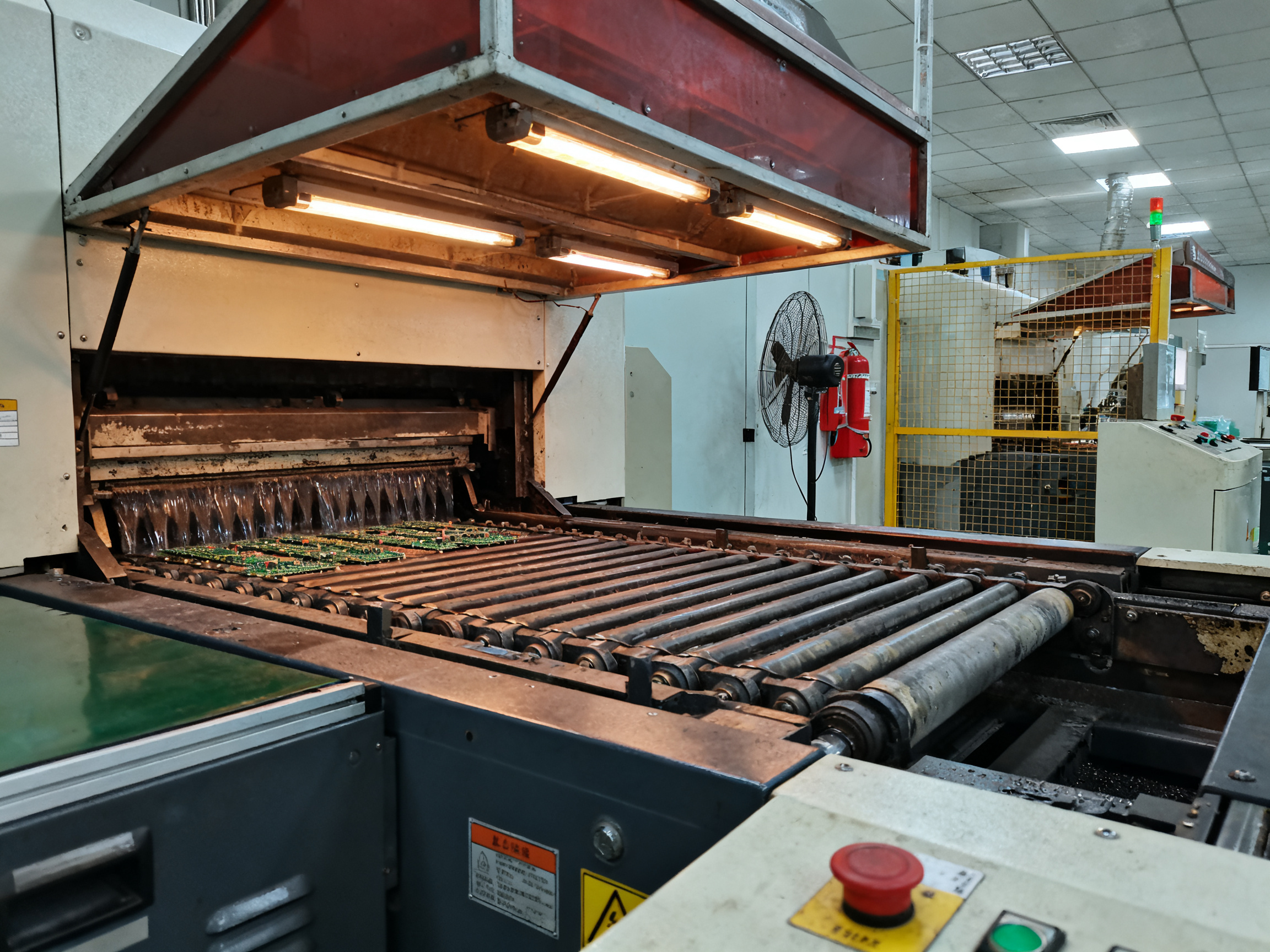
Lead-free compliance is another big factor right now. If you’re building for automotive, aerospace, or any product heading to regulated markets, you need lead-free capability. Those systems run hotter (300°C to 350°C pot temps), need tougher materials, and require tighter process control. That typically adds 10% to 25% to the base price. But here’s the thing, it saves you from regulatory headaches down the road, so a lot of buyers see it as money well spent.
Brand and service network coverage round out the pricing picture. Premium manufacturers charge more upfront, but you often get faster support, easier access to parts, and better documentation. Economy tier equipment might save you cash now, but if something breaks and you have to wait weeks for parts from overseas, that savings evaporates fast.
From Our Experience: We recommend requesting detailed ROI calculations from vendors that account for energy consumption, defect rates, throughput capacity, and expected maintenance cycles over a 5-7 year lifecycle. A $45,000 machine that runs efficiently for seven years often beats a $30,000 machine that needs constant attention.
The real takeaway? Price variation isn’t random. It reflects real differences in what you’re buying. Match the specs to your actual needs and you’ll get better value than chasing the lowest sticker price.
Entry-Level vs. Mid-Range vs. High-End Wave Soldering Machine Comparison
| Specification | Entry-Level | Mid-Range | High-End |
|—————|————-|———–|———-|
| Solder Pot Capacity | 40-90 kg | 150-320 kg | 480-800 kg |
| Preheat Zones | 1-2 zones | 3-4 zones | 4+ zones |
| Control System | Button panel | PLC-based | PC + PLC |
| Lead-Free Compatible | Optional | Standard | Standard |
| Automation Features | Manual setup | Semi-auto | Full auto with monitoring |
| Typical Price Range | $10,000 – $21,500 | $21,500 – $45,000 | $45,000 – $60,000+ |
| Best For | Small batch, prototyping | Medium volume production | High-volume, mission-critical |
If you need something in between these tiers, companies like S&M Co. Ltd. (Shenzhen Chuxin Electronic Equipment) offer configurable systems where you can pick the features that matter most for your operation rather than paying for a full package you might not need.
The market for wave soldering equipment was valued at USD 1.52 billion in 2025, with Asia Pacific accounting for roughly 47% of global revenues Wave Soldering Machines Market. That gives you an idea of the scale manufacturers are working at, and why pricing across tiers reflects real production demands.
Why Wave Soldering Machine Prices Vary by Region
Here’s something that took me years to fully understand. Two factories can order the exact same wave soldering machine, same specs, same manufacturer, and end up paying completely different prices. One buyer in Kansas might shell out $45,000 while a factory in the Philippines gets the same machine for $28,000. What’s going on?
Tariffs and trade rules play a massive role in this puzzle. In 2026, the US-China tariff situation has created a complex web of duties that importers have to navigate. If you’re buying a machine made in China and bringing it into the United States, you’re likely paying layered tariffs that can add thousands to your final bill. Manufacturers in Ohio, Michigan, or Wisconsin often absorb these costs because they need the equipment for their local operations, while suppliers in manufacturing hubs like Shenzhen don’t.
Local distributor networks add their own layer to pricing. When you buy through a regional distributor in Oklahoma or elsewhere, you’re not just paying for the machine. You’re paying for their inventory holding costs, sales team, service technicians, and the convenience of having support nearby. That margin typically runs 8% to 15%, and it varies depending on how much competition exists in your area. If you only have two distributors serving your region, expect higher markups.
Currency swings hit international buyers hard too. A wave soldering machine priced at $25,000 might cost an Indian buyer roughly 21 lakh rupees one month and 23 lakh rupees the next, simply because the rupee shifted against the dollar. We see this constantly affecting our clients in India, Pakistan, and the Philippines. The sticker price means very little without knowing where you sit in that currency exchange cycle.
Logistics infrastructure makes a difference as well. If your factory sits near a major port, shipping costs stay lower. But if you’re in Tulsa or Independence, Kansas, and the machine has to travel inland, those freight charges stack up fast. That adds another 3% to 8% onto your landed cost sometimes.
Pro Insight: When comparing prices between suppliers, always ask for the total landed cost. Shipping, installation, compliance certifications, and long-term maintenance contracts can add 20% to 40% on top of the sticker price. A $30,000 machine might actually cost you $42,000 by the time it’s running in your facility.
The takeaway here is simple. Price differences across regions aren’t random. They’re built from real costs that affect your budget one way or another.
North America Wave Soldering Machine Prices: USA Focus
If you’re buying a wave soldering machine in the United States right now, you should know what you’re getting into pricing-wise. The US market operates differently than buying direct from Asian manufacturers. But that difference comes with real benefits that might matter more than you think.
Here’s what we’re seeing in 2026. Standard wave soldering machines in the US typically range from about $35,000 on the lower end up to $85,000 for fully loaded production systems. That wide range depends heavily on what you’re buying. Entry-level machines with basic controls and smaller solder pots sit at the bottom, while automated systems with PC-based control, multiple preheat zones, and large-capacity solder pots push toward the higher end.
For Midwest buyers specifically, Oklahoma and Kansas have solid distributor networks that offer competitive pricing while keeping support close. That local presence means faster response times when you need service, which honestly might be worth more than the price difference you save buying direct.
Lead-free compliant systems cost more upfront, typically running 10% to 25% above comparable lead-based machines. But if you’re supplying automotive, aerospace, or military contracts, you need that certification anyway. The EPA standards and industry requirements for those sectors essentially mandate lead-free capability, so the premium becomes non-negotiable for certain buyers.
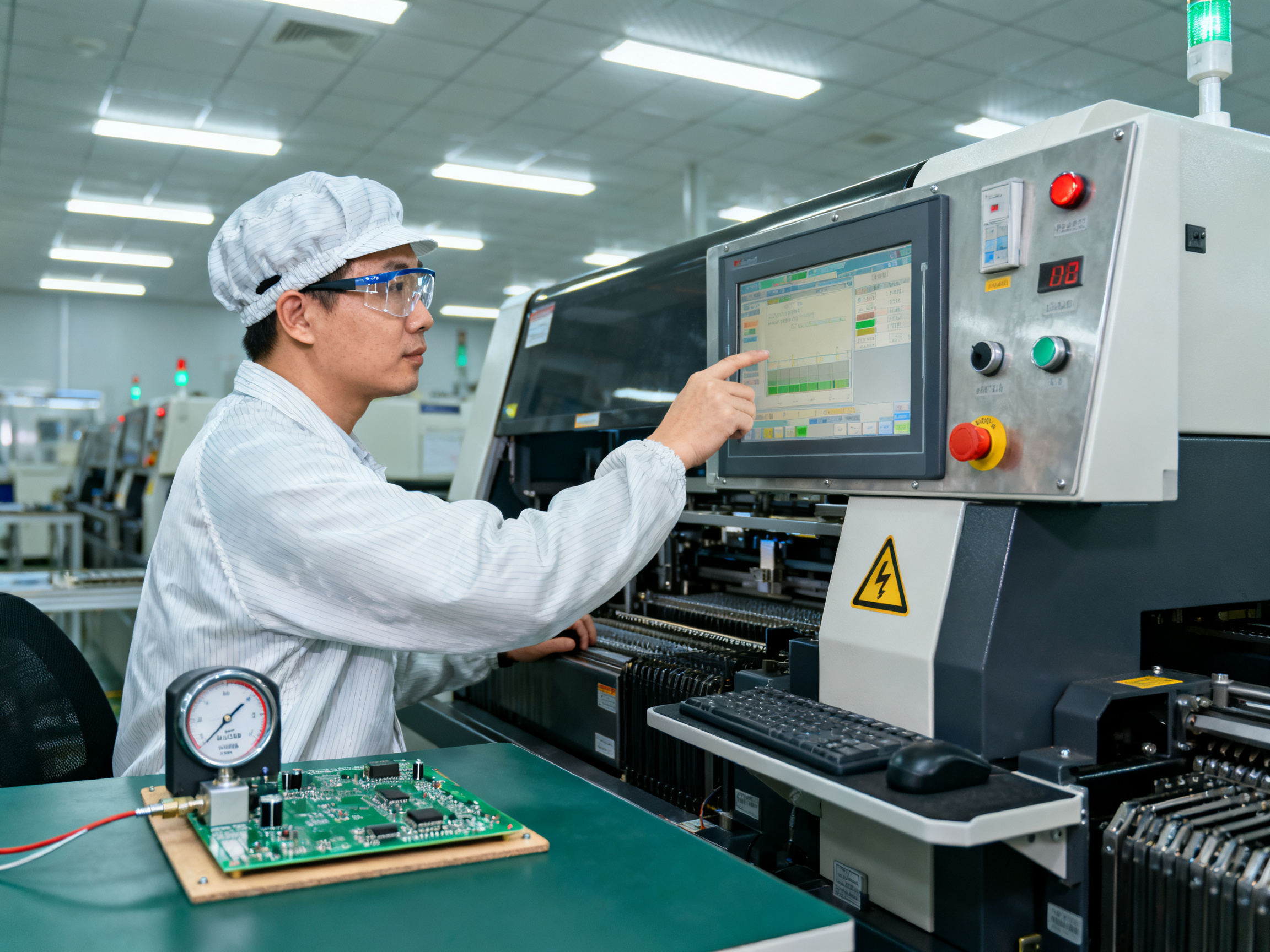
Expert Tip: American manufacturers can save 15-25% on equipment costs by leveraging regional distributor networks versus direct import, while gaining local support and faster response times. The trade-off? You might pay more upfront, but the local warranty coverage and technical support often pay for the difference the first time something goes wrong.
One thing we often see buyers overlook is financing options. US distributors frequently partner with equipment finance companies, making it easier to spread costs over time rather than dropping a huge chunk of cash upfront. That matters when you’re outfitting an entire production line.
Oklahoma and Kansas Wave Soldering Machine Pricing Reference
| Machine Type | Solder Pot Capacity | Automation Level | Typical Price Range |
|————–|———————|——————|——————–|
| Entry-Level Semi-Auto | 40-90 kg | Button panel | $35,000 – $45,000 |
| Mid-Range Automatic | 150-320 kg | PLC-based | $45,000 – $65,000 |
| High-End Production | 480-800 kg | PC + PLC | $65,000 – $85,000+ |
These prices reflect the US market with distributor markups, warranty coverage, and local support factored in PCB Unlimited Midwest SMT.
Here’s the thing though. Some buyers find that mid-range systems from well-established Asian manufacturers, purchased through authorized US distributors, often deliver comparable performance to premium domestic brands at a lower price. Just make sure you understand exactly what’s covered under warranty before signing anything.
Wave Soldering Machine Prices in Pakistan
Pakistan’s electronics manufacturing sector has been quietly growing, and that means more factories are shopping for wave soldering equipment. If you’re based in Karachi, Lahore, or Faisalabad, you’re probably seeing this firsthand. The good news? There’s real availability now. The tricky part? Figuring out what you should actually pay.
Mid-range wave soldering machines in Pakistan typically run anywhere from PKR 8.5 million up to PKR 22 million. That wide range depends on whether you’re buying a basic semi-automatic system or something with full lead-free capability and PC-based controls. We see buyers sometimes get sticker shock when they add up all the costs, so let me break it down.
Import duties on industrial soldering equipment in Pakistan generally fall somewhere between 10% and 20% depending on the HS code classification. If your factory falls under certain manufacturing sector incentives, you might qualify for lower rates. Thing is, these rates shift sometimes, so it’s worth double-checking with a local customs broker before you budget.
Here’s where it gets interesting. Because distributor presence in Pakistan is more limited compared to India or Vietnam, you often don’t see the same competitive pricing pressure. That sounds bad, but it can actually work in your favor when negotiating directly with importers. Fewer middlemen means you might get better deals if you ask.
Pakistan Wave Soldering Machine Cost Breakdown
| Cost Component | Entry-Level System | Mid-Range System | High-End Production |
|—————-|——————–|——————–|———————|
| Base Equipment Price | PKR 6.5M – 8.5M | PKR 12M – 18M | PKR 20M – 28M |
| Import Duties (10-20%) | PKR 650K – 1.7M | PKR 1.2M – 3.6M | PKR 2M – 5.6M |
| Shipping and Freight | PKR 400K – 800K | PKR 600K – 1.2M | PKR 800K – 1.5M |
| Installation and Commissioning | PKR 300K – 500K | PKR 500K – 900K | PKR 800K – 1.5M |
| Estimated Total Landed Cost | PKR 7.85M – 11.5M | PKR 14.3M – 23.7M | PKR 23.6M – 36.6M |
These numbers are estimates based on 2026 market activity. Your actual cost will vary based on the supplier, machine specifications, and current exchange rates between the Pakistani rupee and U.S. dollar.
Buyers often focus on the base price and forget about the landed cost. But when you’re importing from manufacturers like Shenzhen Chuxin Electronic Equipment or similar Asian suppliers, those extra line items add up fast. We always tell clients to ask for a full landed cost quote upfront. It saves awkward surprises later.
One more thing. Service infrastructure in Pakistan for wave soldering support tends to be thinner than in larger manufacturing hubs. If something breaks down, you might be waiting on parts from overseas. That downtime costs money too, so factor that into your buying decision. Sometimes paying a bit more for a machine with better local support makes more financial sense than chasing the lowest import price.
Wave Soldering Machine Prices in the Philippines
The Philippines has quietly become one of Southeast Asia’s most active spots for electronics contract manufacturing. Big names in EMS (electronics manufacturing services) have set up shop here, which means the market for wave soldering equipment is growing fast. If you’re based in Manila, Cebu, or Laguna, you should be able to find decent options.
Standard wave soldering systems in the Philippines typically run between PHP 1.8 million and 4.5 million for mid-range machines. That’s roughly $32,000 to $80,000 depending on exchange rates, and those numbers shift constantly so double-check before you budget.
Here’s something that works in your favor though. The ASEAN Free Trade Area means lower tariffs on equipment coming in from China, Taiwan, and Singapore. If you’re buying from a regional partner instead of going direct to European suppliers, you often dodge significant import duties. That alone can save you 5% to 15% on the landed cost.
We see buyers in Metro Manila getting better support coverage than those in provincial areas. Service technicians tend to cluster near major industrial zones, so if your factory is in a more remote location, factor in travel time and costs when something needs fixing.
Southeast Asia Wave Soldering Machine Price Comparison
| Country | Mid-Range System Price | Market Focus | Service Coverage |
|———|———————-|————–|——————|
| Philippines | PHP 1.8M – 4.5M ($32K-$80K) | Consumer electronics, automotive | Moderate, clustered near Manila |
| Thailand | THB 1.2M – 3.5M ($32K-$95K) | Automotive electronics, aerospace | Strong national coverage |
| Vietnam | VND 550M – 1.8B ($22K-$72K) | High-volume consumer goods | Growing, centered on Hanoi/HCMC |
| Malaysia | MYR 85K – 280K ($18K-$60K) | Semiconductor, industrial | Well-established network |
These are approximate ranges based on 2026 market activity. Your actual cost depends on machine specs, brand, and current exchange rates.
Manufacturers like Shenzhen Chuxin Electronic Equipment (S&M Co. Ltd.) supply the Philippine market through regional distributors, and we often point clients their way when they want good value without the premium branding markup. Just make sure whoever you buy from can actually support you after the sale. A cheap machine with no service backup costs more in downtime than you saved upfront.
Buyers sometimes get caught focusing only on the sticker price. But when you’re running production, that technician response time matters. A machine that’s $5,000 cheaper but takes three weeks to get serviced isn’t actually cheaper.
One more thing worth mentioning. Lead-free systems are becoming the standard for Philippine manufacturers supplying export markets. If your customers are in Europe, North America, or Japan, they’ll probably require lead-free compliance anyway, so factor that into your spec sheet from the start.
Wave Soldering Machine Prices in India
India’s wave soldering market has gotten seriously interesting in 2026. The government’s PLI (Production Linked Incentive) scheme has poured billions into electronics manufacturing, and that’s created a much more competitive pricing environment. More factories mean more buyers, and more buyers mean distributors have to work harder for your business.
So what are you actually looking at paying? Standard wave soldering machines in India range from roughly INR 22 lakhs on the lower end up to INR 55 lakhs for mid-range production systems. That spread depends mostly on three things: solder pot size, automation level, and whether you need lead-free capability.
Here’s what that looks like in practice. Entry-level systems with smaller pots and basic controls sit around INR 22 to 30 lakhs. These work fine for prototyping or low-volume work. Mid-range machines with bigger pots, better heating zones, and PLC controls run INR 32 to 45 lakhs. Premium systems with PC-based control, large-capacity solder pots, and full lead-free compliance push toward INR 50 to 55 lakhs or higher.
One thing we love seeing is that local manufacturing has picked up. Brands like XJS Electronics, Drive Technologies, and Sharang Corporation now produce solid equipment within India, which cuts down lead times significantly compared to waiting on imports from Shenzhen. That matters because waiting 3 months for a machine to arrive costs you money too.
Buyers in Pune, Chennai, and Delhi NCR have the most supplier options right now. But here’s a pro tip: always ask for landed cost, not just the ex-factory price. Freight, installation, and duty can add 8% to 15% depending on where you’re located.
India Wave Soldering Machine Pricing by Tier
| Tier | Typical INR Range | Solder Pot Capacity | Automation Level |
|——|——————-|———————|——————|
| Entry-Level | INR 22-30 Lakhs | 40-90 kg | Button panel / Basic PLC |
| Mid-Range | INR 32-45 Lakhs | 150-320 kg | PLC-based with auto-flux |
| Premium | INR 50-70+ Lakhs | 320-480 kg | PC + PLC, full lead-free |
For buyers who want imported equipment with proven track records, suppliers like Shenzhen Chuxin Electronic Equipment (S&M Co. Ltd.) serve the Indian market through regional distributors. You typically get good support coverage in major manufacturing hubs, though service in more remote areas can be hit or miss.
The real win in India right now is the competitive pressure. With so many players vying for business, there’s room to negotiate, especially if you’re buying multiple machines or bundling with other SMT equipment.
Southeast Asia Wave Soldering Machine Prices
Southeast Asia has become one of the most exciting regions for wave soldering investment in 2026. As companies continue moving production out of China, Vietnam, Thailand, and Indonesia are seeing a real surge in demand for electronics manufacturing equipment. We’ve been watching this shift for years, and it’s honestly accelerating faster than most people expected.
Here’s the thing though. Each country in this region offers something different, and the pricing reflects those differences pretty clearly.
Vietnam is all about high-volume consumer electronics right now. Factories there need efficient, high-throughput production equipment, and suppliers have responded. A mid-range wave soldering machine in Vietnam typically runs between VND 550 million and VND 1.4 billion, which translates to roughly $22,000 to $56,000. The competitive pressure from so many new players entering the market keeps prices honest.
Thailand takes a different approach. The automotive electronics sector drives a lot of demand there, and buyers in Thailand tend to prioritize reliability and process stability over raw cost savings. That means you’re looking at THB 1.2 million to THB 3.5 million for mid-range systems, roughly $32,000 to $95,000. The good news? Thailand has some of the best service coverage in the region, so downtime concerns are lower.
Indonesia skews more toward cost-optimized equipment for domestic appliance assembly. Buyers there typically look at semi-automated lines rather than fully loaded production systems. Pricing usually falls between IDR 180 million and IDR 850 million, or about $11,000 to $53,000.
Malaysia sits in an interesting spot. The established semiconductor and industrial electronics sector there means mature distribution networks and competitive pricing. Mid-range systems typically run MYR 85,000 to MYR 280,000, roughly $18,000 to $60,000.
Pro Insight: Currency swings hit Southeast Asian buyers hard. The Vietnamese dong, Thai baht, and Indonesian rupiah can shift 5% to 12% within a single quarter, which means a machine priced at $35,000 one month might cost significantly more or less the next. Lock in pricing when you can.
Southeast Asia Wave Soldering Machine Pricing Matrix
| Country | Local Currency Range | USD Equivalent | Market Focus | Service Coverage |
|———|———————|—————–|————–|——————|
| Vietnam | VND 550M – 1.4B | $22,000 – $56,000 | High-volume consumer goods | Growing, centered on Hanoi/HCMC |
| Thailand | THB 1.2M – 3.5M | $32,000 – $95,000 | Automotive electronics, aerospace | Strong national coverage |
| Indonesia | IDR 180M – 850M | $11,000 – $53,000 | Domestic appliances, cost-sensitive | Developing infrastructure |
| Malaysia | MYR 85K – 280K | $18,000 – $60,000 | Semiconductor, industrial | Well-established network |
These ranges reflect 2026 market activity and current exchange rates. Your actual cost depends on machine specs, brand, and timing.
For buyers in these markets, Shenzhen Chuxin Electronic Equipment (S&M Co. Ltd.) supplies through regional distributors, offering a middle ground between premium European brands and budget options. The key is matching your technical requirements to the right supplier tier.
And here’s what we tell our clients in the region: don’t just chase the lowest sticker price. Service coverage and parts availability matter enormously when your production line is sitting idle waiting for a technician.
Essential Factors When Evaluating Wave Soldering Machine Costs
Here’s the part where most buyers get caught out. They zero in on the sticker price, sign the purchase order, and then spend the next five years wondering why their “affordable” machine ended up costing a fortune. I saw this happen at a factory in Chennai last year. They bought a wave soldering system that looked cheap on paper, but the energy bills alone nearly bankrupted them within 18 months.
That’s why total cost of ownership matters so much. Your actual spend over a machine’s lifecycle typically runs 2.5 to 4 times the purchase price when you factor in everything. Let me break down where that money actually goes.
Energy consumption sits at the top of the list for operating costs. A mid-range wave soldering machine in 2026 might draw 20 to 30 kW during operation, and if you’re running two shifts, that electricity adds up fast. Machines with better insulation and energy-saving features cost more upfront, but they pay back through lower utility bills. Some of the newer systems like the EcoWave options we see coming onto the market are specifically designed to cut energy use, which makes them worth considering if your utility rates are high.
Solder and flux consumption is another big one. Lead-free alloys like SAC305 run about $35 to $42 per pound, while tin-copper-nickel options come in cheaper at $18 to $24 per pound. The solder pot size determines how much you need to keep filled, and bigger pots mean more metal sitting there getting oxidized. Dross loss alone can eat 2% to 5% of your solder budget annually, so factor that in.
Maintenance schedules at 6-month intervals typically involve inspecting heaters, pumps, and conveyor systems. By the 12-month mark, you’re usually looking at a full preventive maintenance cycle with routine replacements. The annual maintenance costs often run 10% to 20% of the original equipment value. Skip these and you’ll be staring down a 36-month major refurbishment bill that nobody预算 for.
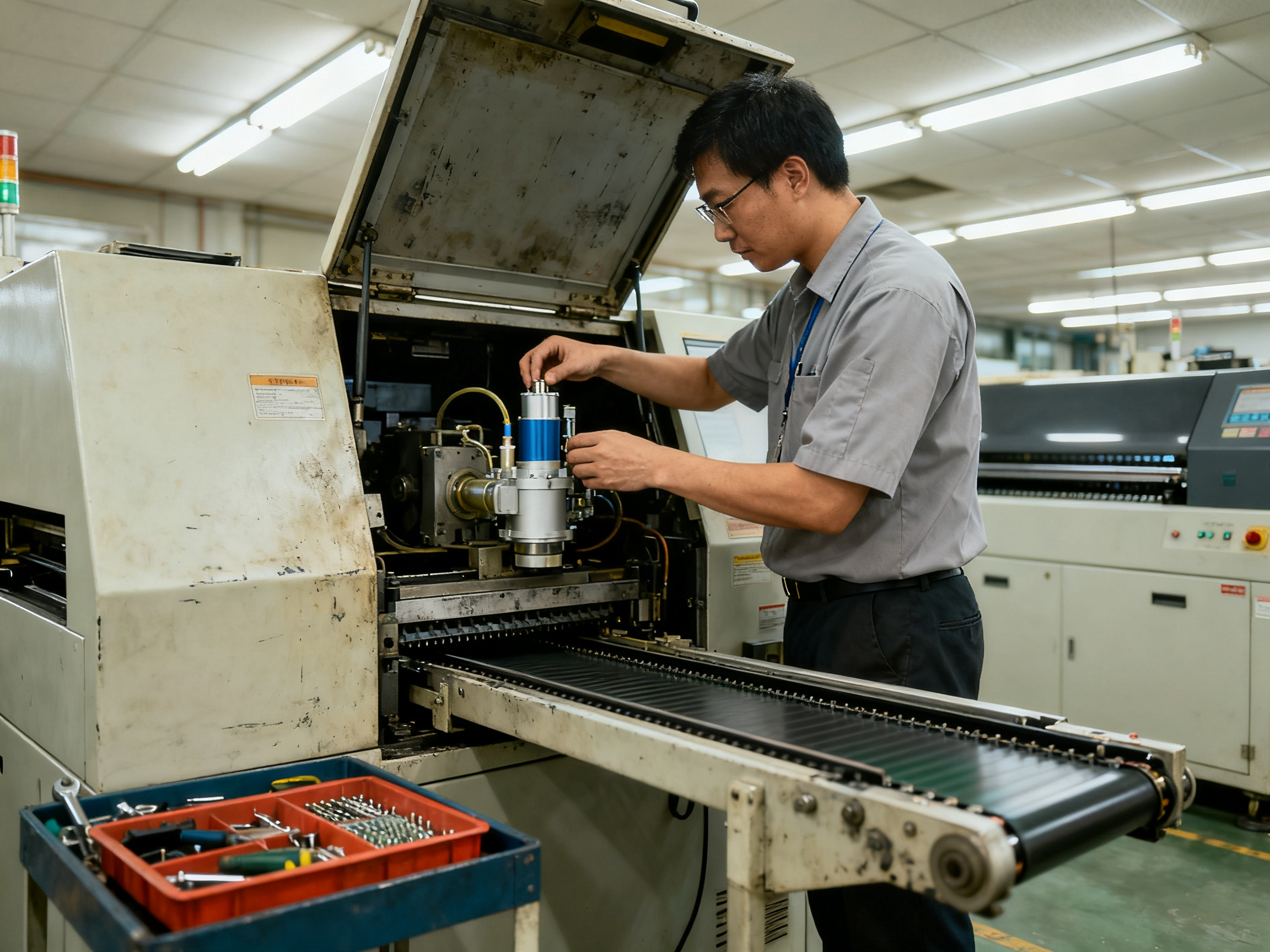
ROI Calculation Worksheet: Payback Period by Production Volume
| Production Volume | Labor Savings/Month | Defect Reduction Savings | Energy Cost/Month | Maintenance Cost/Month | Net Monthly Benefit | Payback Period |
|——————-|———————|—————————|——————-|————————|———————|—————-|
| Low (500 boards/day) | $1,200 | $400 | $800 | $300 | $500 | 48-60 months |
| Medium (2,000 boards/day) | $3,500 | $1,200 | $1,200 | $500 | $3,000 | 14-18 months |
| High (8,000 boards/day) | $8,000 | $4,000 | $2,400 | $800 | $8,800 | 8-12 months |
These numbers are estimates based on 2026 market conditions and average labor rates. Your actual results will vary based on your specific situation, wage levels, and defect rates.
Warranty terms and local service availability can make or break your experience with any machine, whether it’s from Shenzhen Chuxin Electronic Equipment or a domestic manufacturer. A solid warranty covers parts and labor for at least a year, but the real value comes from having technicians nearby when something goes wrong. Downtime kills productivity, and every hour your line sits idle costs money.
Here’s what I’d tell anyone shopping right now. Get detailed ROI calculations from your vendors that account for energy consumption, defect rates, throughput capacity, and expected maintenance cycles over a 5 to 7 year lifecycle. A $45,000 machine that runs efficiently for seven years often beats a $30,000 machine that needs constant attention.
Automation features like auto-flux application, nitrogen inerting, and conveyor speed control do add to upfront costs. But they also improve throughput and quality consistency in ways that matter for high-volume operations. Nitrogen systems keep oxygen levels below 1000 ppm during soldering, which produces cleaner joints and less oxidation on the solder bath. If you’re building for automotive or aerospace customers, that process stability probably matters more than the price premium.
Bottom line? Don’t buy on sticker price alone. The machine that costs 20% more today might save you 40% over its lifetime.
Making Your Wave Soldering Investment: Expert Recommendations
Now that we’ve walked through pricing across North America, South Asia, and Southeast Asia, let’s talk about what you should actually do with all this information.
The biggest thing I want you to take away is this. Price awareness gives you negotiating power. When you know that a mid-range wave soldering machine runs roughly $35,000 to $65,000 in the U.S. market, you can push back on distributor quotes that seem inflated. When you know the same machine from a Shenzhen supplier costs $25,000 to $45,000 before shipping and duties, you can negotiate from a position of strength. That knowledge pays for itself the first time you close a deal.
Lead-free compliance is non-negotiable if you’re supplying automotive, aerospace, or international markets. The upfront premium of 10% to 25% over standard systems saves you from regulatory headaches, customer rejections, and potential product recalls. In 2026, the regulatory environment continues tightening around lead content in electronics, so this investment protects your business down the road.
Energy efficiency deserves more attention than it usually gets. Machines with better insulation and smarter heating profiles cost more upfront but cut your electricity bills significantly over time. For high-volume operations running multiple shifts, those savings compound fast. A machine that costs $5,000 more today might save $15,000 in energy costs over five years.
Here’s what I’d tell any procurement manager or factory planner. Get multiple quotes, ask for landed costs not just sticker prices, and factor in service coverage when you compare options. Companies like S&M Co. Ltd. (Shenzhen Chuxin Electronic Equipment) offer solid mid-range systems with good support networks, while premium brands command higher prices but often deliver better uptime and longer service life.
The market for wave soldering equipment in 2026 shows 6.7% annual growth, which tells me demand isn’t going anywhere. If you need a machine, buy the one that fits your actual production requirements rather than chasing the cheapest option or the most expensive one.
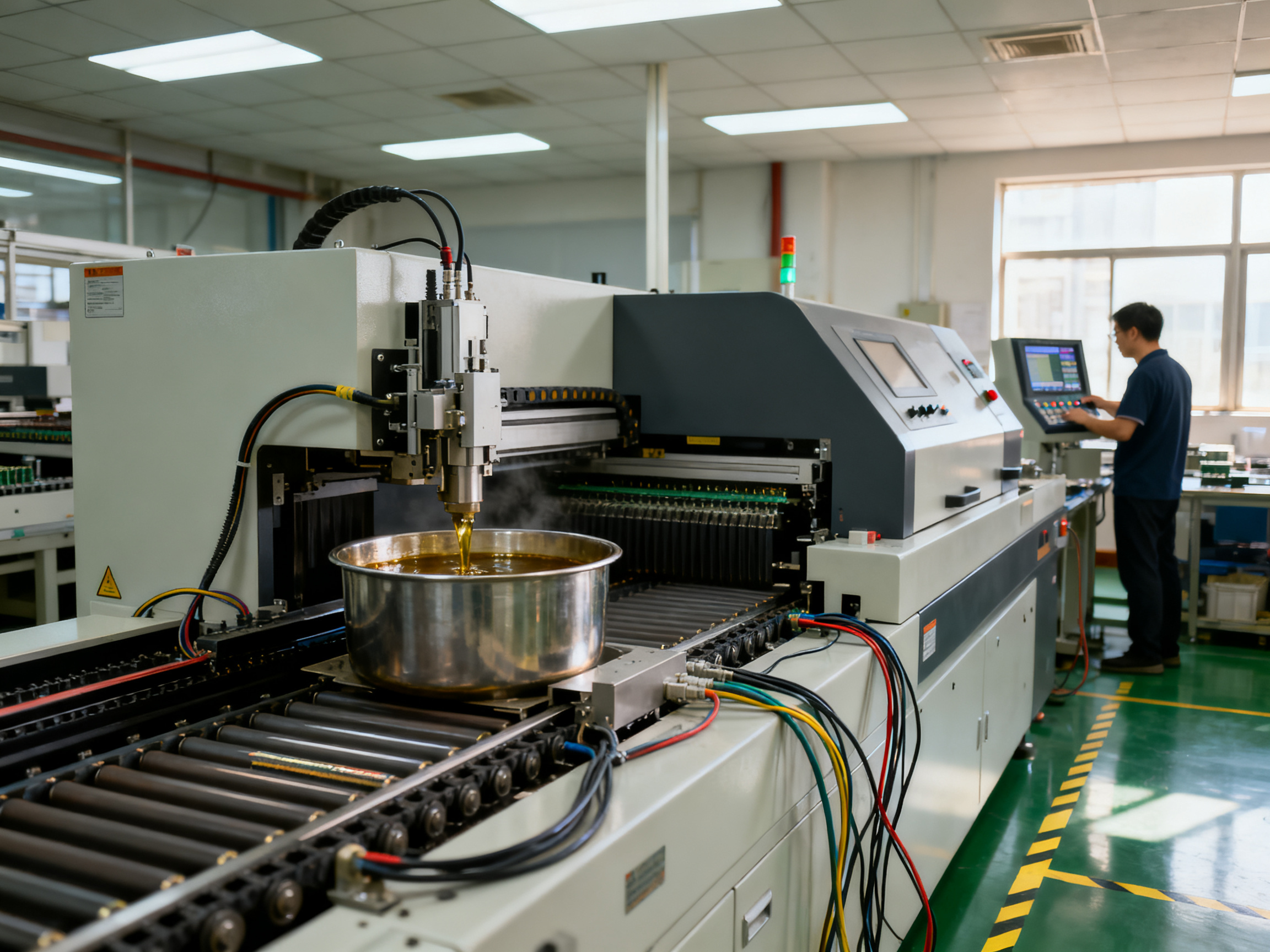
| Budget Level | Recommended Machine Type | Best Regions | Key Considerations |
|————–|————————|————–|——————-|
| Under $25,000 | Entry-level semi-auto, 40-90 kg pot | Southeast Asia, South Asia | Basic needs, prototyping |
| $25,000 – $45,000 | Mid-range automatic, 150-320 kg pot, lead-free | All regions | Best value for most operations |
| $45,000 – $65,000 | High-end production, PC+PLC, 320-480 kg pot | North America, major SE Asia hubs | Mission-critical, high-volume |
| $65,000+ | Premium systems, 480-800 kg pot, full automation | North America primarily | Maximum throughput, minimal downtime |
The machines that deliver the best return over seven years typically fall in that mid-range category. They have enough automation to keep quality consistent, enough capacity to grow into, and enough support infrastructure to keep running reliably. Skip the extremes unless your operation specifically demands them.
Your production volume, product complexity, and support infrastructure should drive the decision. Match the machine to your actual needs rather than buying features you’ll never use or scrimping on capabilities that matter for your quality standards.