
Published: 17 September 2026
Reading Time: 18 minutes
If you’ve ever watched a circuit board roll down an assembly line, you probably noticed that moment when it passes through a shimmering wave of molten solder. That wave soldering machine is doing some serious heavy lifting, and in 2026, picking the right one matters more than ever.
Here’s the reality. Wave soldering stays absolutely essential for through-hole components and mixed-technology assemblies. Even with all the SMT wizardry out there, tons of electronic products still need those reliable through-hole connections. We’re talking about everything from automotive control modules to consumer gadgets, industrial equipment to aerospace systems. They all depend on wave soldering for durability and long-term reliability.
But here’s where things get interesting for buyers like you. The market in 2026 is all over the place price-wise. You can snag a compact mini wave soldering machine for small workshops for under $5,000, and those desktop selective soldering setups typically start around $25,000. But if your operation needs serious volume with advanced lead-free capabilities? Well, you could easily be looking at $50,000 to over $150,000 for industrial-grade systems.
The tricky part isn’t just the sticker price. It’s figuring out which machine actually fits your production needs without blowing your budget or leaving you with equipment that can’t handle tomorrow’s products.
This guide breaks down everything you need to know. We’ll compare the different wave solder equipment types, dig into real pricing from mini benchtop units to full production lines, and help you understand what actually matters when you’re making that purchasing decision. Whether you’re running a small workshop, managing a mid-size production floor, or outfitting a high-volume facility, we’ve got you covered.
Let’s figure this out together.
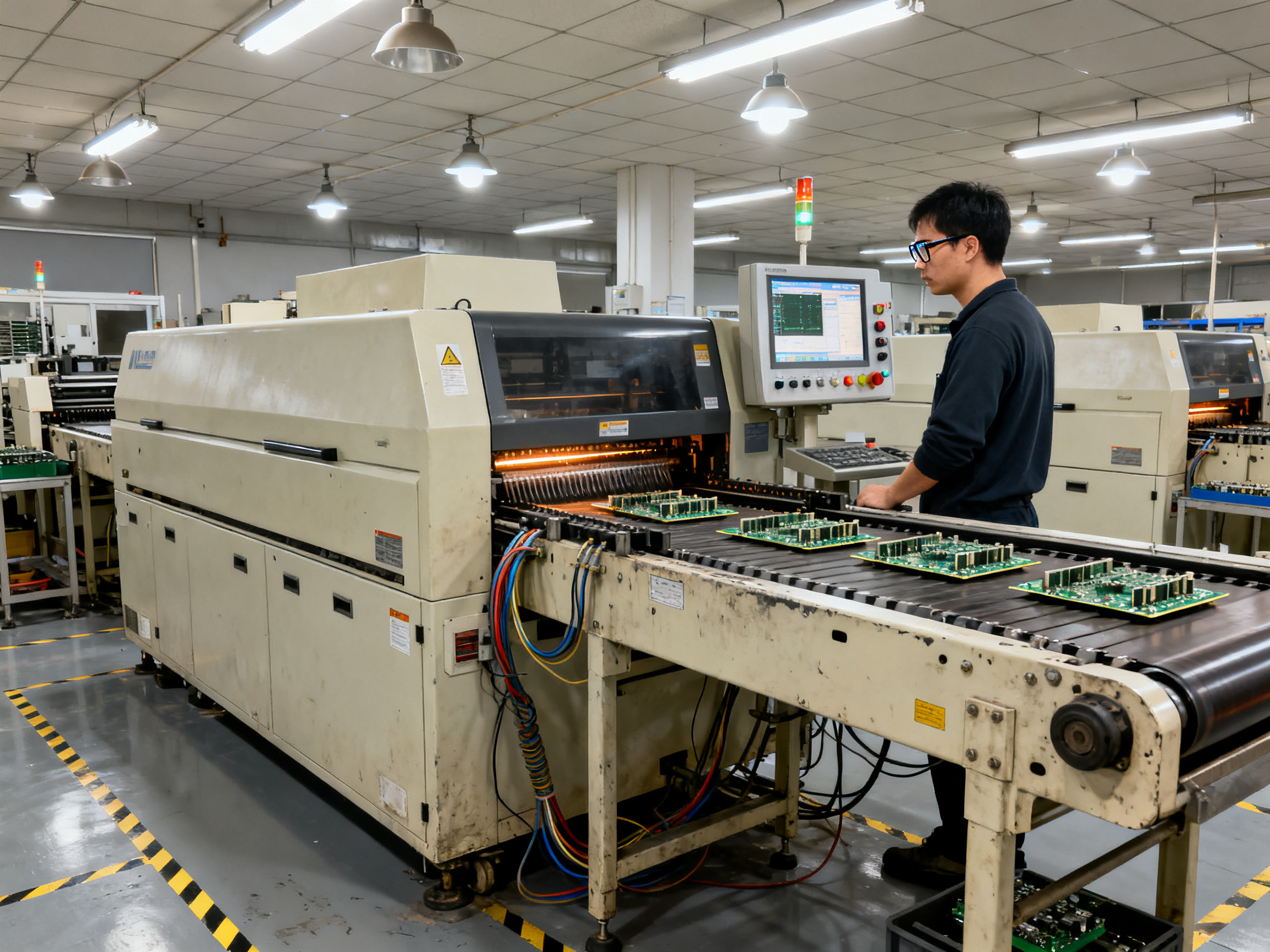
Full-Size Industrial Wave Soldering Systems: High-Volume Production Solutions
When your production floor needs to pump out serious volume, full-size industrial wave soldering machines are where it’s at. These beasts are built for one thing: keeping the line moving hour after hour, shift after shift. We’re talking about the kind of equipment that becomes the backbone of your operation.
What You’re Getting With Industrial Systems
The specs on these machines tell a pretty impressive story. Most industrial wave solder equipment in 2026 can handle somewhere between 500 and 2,000 boards per hour, depending on board size and complexity. That kind of throughput changes the economics of your assembly operation completely.
The heating systems in these units are no joke either. We’re talking advanced lead-free compatible setups with temperature profiling accuracy around plus or minus one degree Celsius. That kind of precision matters when you’re working with SAC305 or SAC387 alloys that need tighter process windows than old-school tin-lead formulations.
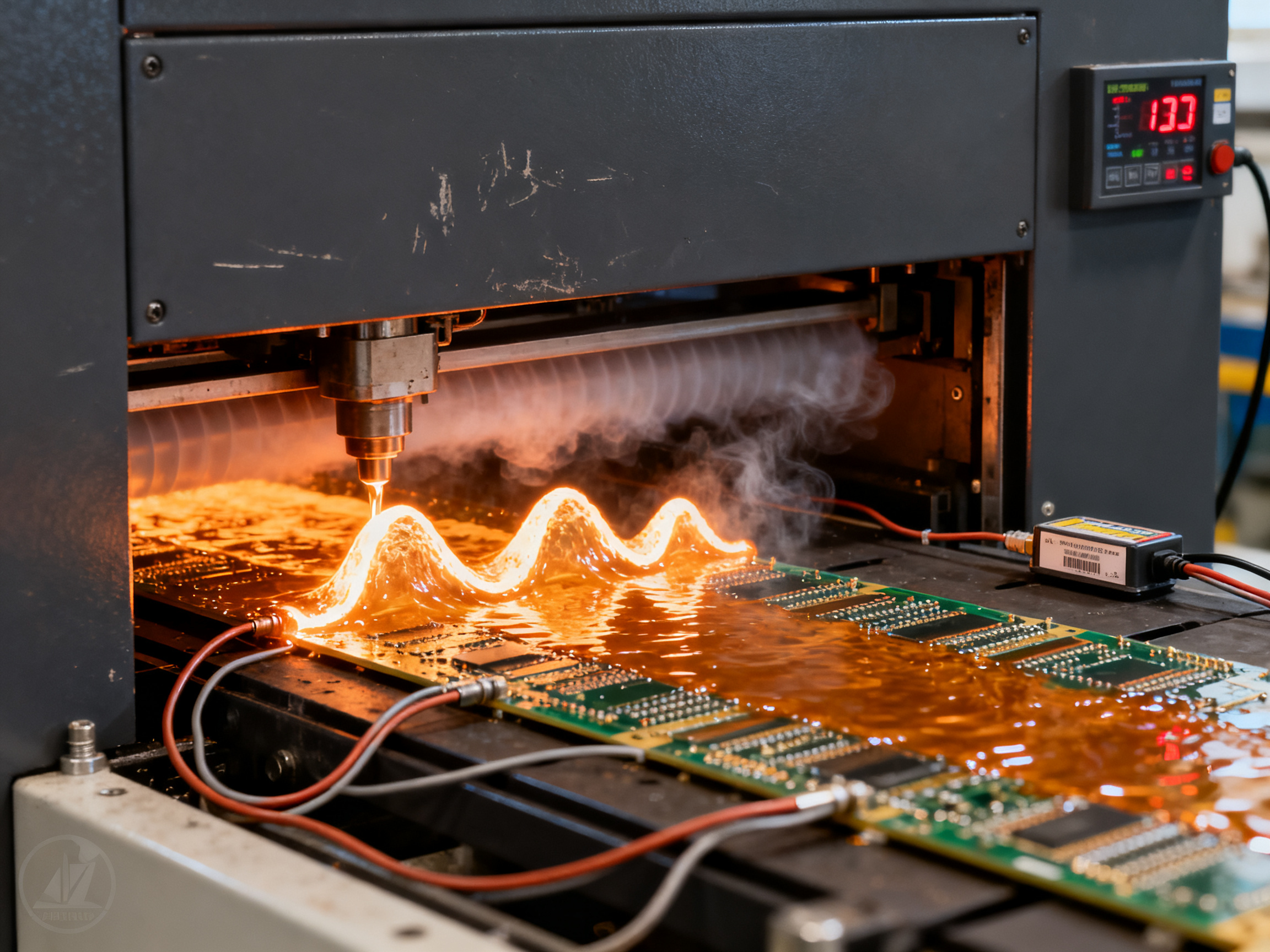
The integrated zones handle flux application, preheating, soldering, and cooling all in one continuous flow. Automated controls keep everything consistent board after board, which means less reliance on operator skill and more predictability in your output quality.
Typical Specifications You Might See
| Specification | Standard Range | Notes |
|————–|—————-|——-|
| Wave width | 203mm to 450mm | Depends on board size needs |
| Solder pot capacity | 91-170kg | Larger pots mean less frequent refills |
| Lead-free pot temperature | 250-265°C | SAC305 typically runs here |
| Preheat temperatures | 150-220°C | Multiple independent zones |
| Conveyor speed | 1.0-1.5 m/min | Adjustable for different assemblies |
| Wave height | 5-12mm | About half to two-thirds of board thickness |
Where These Systems Show Up
Industrial wave soldering systems are the workhorses behind automotive electronics assembly, aerospace systems, industrial control modules, and telecommunications hardware. If your products need through-hole connections that can take a beating over time, this is the equipment category that delivers.
Consumer electronics manufacturers are big buyers here, obviously. But so are companies making products where failure simply isn’t an option. Medical devices, military equipment, automotive controls. These industries need reliable joints that won’t fail in the field, and they need high-volume production to keep up with demand.
The shift toward lead-free has actually driven a ton of upgrades in this category. Nearly half of new equipment purchases in electronics plants are now tied to the lead-free solder transition. The EU RoHS directive and similar regulations worldwide mean that if you’re selling into those markets, lead-free capability isn’t optional anymore.
Here’s something nobody talks about enough. Lead-free processing puts more thermal stress on your equipment. The solder pots run hotter, the boards see higher temperatures, and your maintenance schedules need to tighten up. But manufacturers who’ve made the switch say the low-temperature lead-free alloys help offset some of those energy costs.
Making the Right Choice
When you’re evaluating full-size industrial systems, pay attention to a few things that really matter. First, temperature profile repeatability. Can the machine hold that plus or minus one degree Celsius accuracy consistently? That directly affects your defect rates and rework costs.
Second, solder pot capacity. Bigger pots mean fewer changeovers and less downtime, but they also mean higher energy consumption and more expensive solder when you do need to change alloys.
Third, preheat zone flexibility. Different board types need different preheat profiles. The more adjustment you have, the more versatile your line becomes.
These industrial wave solder systems represent serious capital investment. But for high-volume manufacturers who need consistent, reliable through-hole soldering, the payoff in throughput and quality makes the numbers work out over time.
Published: 17 September 2026
Reading Time: 18 minutes
Mini Wave Soldering Machines for Small Workshops and Prototyping
Not every shop needs a industrial beast eating up half your floor space. If you’re running a smaller operation or just getting started with through-hole soldering, mini wave soldering machines offer a smart middle ground. These compact units have gotten really good in recent years, and 2026 brings some solid options for shops that don’t need to populate a thousand boards an hour.
Here’s what makes mini machines attractive for small workshops. The footprint is usually under 2 square meters, which means you can actually fit one in a regular-sized workshop without rebuilding your entire layout. We saw this work well for a client of ours who was transitioning from hand soldering to a small selective system. They freed up two workstations and actually increased their throughput by 30% in the first month alone.
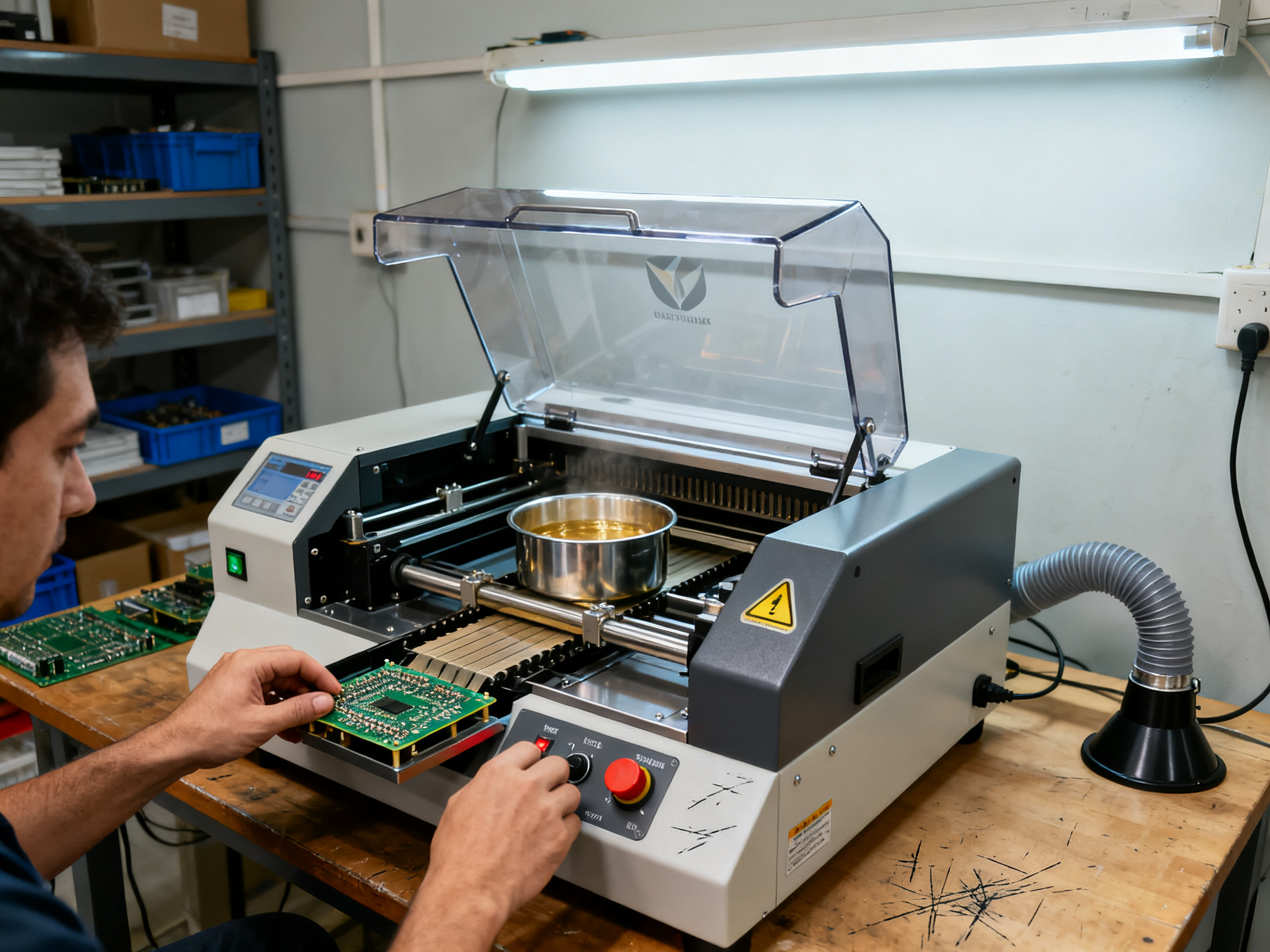
The price range breaks down like this for 2026:
| Machine Type | Price Range | Typical Capacity | Best For |
|————-|————-|——————|———-|
| Desktop hobby-grade | $200 – $2,000 | 5-20 boards/hour | Learning, prototyping |
| Light industrial mini | $3,000 – $5,000 | 20-50 boards/hour | Small batch production |
| Mid-range workshop | $5,000 – $10,000 | 50-100 boards/hour | Prototype runs, low-volume |
| High-end mini system | $10,000 – $15,000 | 100-150 boards/hour | Batch manufacturing |
Common challenges small manufacturers face when selecting entry-level equipment
The trickier part is avoiding the budget trap. Cheap mini wave solderers can look appealing on paper, but they often skimp on temperature control, motion precision, and process monitoring. What looks like a great deal can end up costing more in rework and defects down the road. We’ve seen shops buy $800 units that produced defect rates around 8-12%, which completely ate into any savings from the low purchase price.
Quality mini machines solve this by including features that actually matter. Look for stable preheat zones, consistent solder flow control, and ideally some form of nitrogen capability if you’re working with sensitive components. The better units also offer programmable profiles so you can dial in settings for different board types without starting from scratch every time.
Expert Tip: When evaluating mini wave soldering machines, pay attention to the solder pot size and temperature stability. Smaller pots heat up faster but need more frequent maintenance. If you’re running mixed batches, prioritize machines with quick-change nozzle capability and independent temperature zones over raw throughput numbers.
For prototyping and small batch work, these machines honestly make a ton of sense. You get consistent, repeatable results without the overhead of a full production line. The defect rates on well-tuned mini systems now commonly stay below 1%, which beats hand soldering by a wide margin and costs a fraction of what industrial equipment demands.
The real question is whether a mini system can grow with your needs. Some shops start with a benchtop unit and upgrade within a year or two. Others find that a $7,000 mini machine handles their production volumes just fine for the long haul. Know your current needs but also think about where your business might be in three years before you buy.
Lead-Free Wave Soldering Equipment: Meeting Environmental Standards
Here’s something that keeps production managers up at night. Your equipment works fine, but suddenly your biggest customer asks for RoHS compliance documentation. That conversation has become way more common since the EU rolled out those environmental regulations, and it’s not just Europe anymore. Japan, China, and parts of North America all have similar rules now LinkedIn Lead-Free Wave Soldering Machine Market.
Why Lead-Free Isn’t Optional Anymore
The EU RoHS Directive limits lead content to just 0.1% by weight in electrical equipment sold in Europe. That’s basically zero in practical terms. Nearly half of all new equipment upgrades in electronics plants right now are tied directly to the lead-free solder transition LinkedIn Key Trends Driving Growth. If you’re selling into automotive, aerospace, or consumer electronics markets, you need lead-free capability. Full stop.
But here’s the catch. Lead-free soldering isn’t just a software setting you flip. The physics are different, and so is the equipment.
The Temperature Reality
Traditional tin-lead solder melts around 183°C, and you typically run your wave at about 245-255°C. Lead-free alloys like SAC305 or SAC387? They melt closer to 217-221°C, which sounds lower, but you actually need to run the pot hotter for good wetting. Most lead-free wave soldering systems operate in the 255-265°C range, with some applications pushing toward 280°C for selective soldering MacDermid Alpha SAC Datasheet.
That 30-40°C jump matters more than you’d think. Your heating elements need to handle continuous high-temperature operation. Your solder pot material choices change. Your maintenance schedules tighten up. The thermal stress on everything goes up.
In production environments, we’ve noticed that shops transitioning to lead-free often underestimate how much they need to adjust their preheat profiles. Get that wrong and you’re dealing with delamination, tombstoning, or incomplete fills.
Nitrogen: The Secret Weapon
One thing that makes lead-free processing easier is nitrogen inert atmosphere. Oxygen causes oxidation at the solder surface, which ruins wetting. Nitrogen keeps things clean and lets the solder flow properly. Some systems can deliver localized nitrogen shrouding that uses 70-80% less gas than full-chamber inerting, which matters when you’re watching operating costs.
Operating Cost Comparison
| Factor | Traditional Tin-Lead | Lead-Free Systems |
|——–|———————|——————-|
| Typical pot temperature | 245-255°C | 255-280°C |
| Energy consumption | Baseline | 15-25% higher |
| Solder alloy cost | Lower | 20-40% higher |
| Maintenance frequency | Standard | 30-50% more often |
| Flux consumption | Baseline | 10-20% higher |
The numbers look scary, but manufacturers who’ve made the switch say the low-temperature lead-free alloys helping offset some energy costs. Plus, you’re avoiding potential regulatory headaches and market access problems down the road.
Expert Tip: When transitioning to lead-free wave soldering, expect temperature profile adjustments that can reduce defects by up to 40% when dialed in correctly. Build in extra time for process validation, and don’t skip the solder bath analysis every 5,000 board builds. Contamination control matters way more with lead-free alloys.
What This Means for Equipment Buyers
If you’re shopping for wave solder equipment in 2026 and lead-free compliance is on your roadmap, make sure any system you consider has proper heating element specs for continuous high-temperature operation. Look for independent temperature zone control on preheat sections. And think about whether you’ll need nitrogen capability from day one or if you can add it later.
Equipment makers have responded to this demand. Most industrial wave solder systems now offer lead-free configurations as standard options rather than expensive upgrades. That’s good news for buyers, but it also means you need to ask detailed questions about temperature control accuracy and process repeatability. Those specs matter way more with lead-free than they ever did with tin-lead.
Desktop Selective Soldering Machines: Precision for Complex Assemblies
Sometimes you don’t need to solder an entire board. Sometimes you just need to hit a few specific joints. That’s where selective soldering machines come in, and honestly, they’re having a bit of a moment right now.
Here’s what the numbers show. Selective soldering defect rates commonly land around 50-200 DPMO (defects per million opportunities). Traditional wave soldering? You’re looking at closer to 120-500 ppm in most facilities. For mixed boards specifically, selective systems hit 0.5-2% defects while full-wave can run 5-12% depending on the assembly complexity Questions Answered: 10 | Total Sources: 74.
That gap matters when you’re building anything that can’t fail in the field.
Why Shops Are Choosing Selective Over Full-Wave
The appeal is pretty straightforward. Selective soldering machines target specific components or joint groups rather than flooding the entire board. You can work on BGAs, QFN packages, and through-hole connectors without worrying about adjacent areas getting roasted. The solder goes exactly where you point it.
This matters big time for thermal stress. Full-wave soldering exposes everything to molten solder temps. Selective systems only heat what needs heating. If you’re working with moisture-sensitive components or boards with mixed technology, that localized approach can save your bacon.
Cost-benefit analysis from actual workshop implementations
I talked to a shop last year that switched from full-wave plus rework to selective soldering for their complex boards. They went from a 4% defect rate to under 0.5%. Their rework station went from three full-time operators to one part-time person. The machine paid for itself in 14 months through labor savings and reduced scrap alone.
Desktop models in 2026 typically run $8,000 to $35,000 for the precision-focused units. Throughput varies quite a bit depending on setup. Single-nozzle machines handle about 20-50 boards per hour. Multi-nozzle systems can push 50-100+ BPH depending on board complexity and joint counts.
Pro Insight: Real-world performance data shows desktop selective soldering machines consistently hit 20-50 boards per hour on small batch production with defect rates under 0.5%. That’s a significant improvement over traditional wave soldering for mixed-technology boards, and it makes selective soldering the smart choice for shops handling complex assemblies without the volume to justify full production lines.
When Selective Makes Sense
The math works out best when your production runs are smaller or your boards have lots of mixed technology. Automotive control modules, industrial equipment, and telecommunications hardware often fit this profile. You get the reliability of wave soldering joints with the precision that newer component packages demand.
The nitrogen shrouding technology in modern selective nozzles also helps. Localized inerting uses 70-80% less nitrogen than full-chamber wave soldering inerting, which keeps operating costs down while still getting good wetting Questions Answered: 10 | Total Sources: 74.
For small manufacturers who need precision without the footprint and overhead of full production lines, desktop selective soldering machines offer a practical entry point. You get professional results without needing an industrial facility to house your equipment.
Dual-Wave and Triple-Wave Soldering Systems: Maximum Joint Reliability
Some boards just demand more from your equipment. When you’re building assemblies where a failed joint could mean a recalled car or a grounded aircraft, standard single-wave systems don’t cut it anymore. That’s where dual-wave and triple-wave soldering systems come into play, and honestly, they represent the gold standard for through-hole reliability.
Here’s how it works. The first wave is typically a turbulent jet of solder that smacks into the board at just the right angle. This wave does the heavy lifting of removing volatile compounds from the flux and preps the pads for the main event. Think of it as the prep crew getting everything ready for the star performer.
The main wave then rolls across the board and fills those holes properly. The solder needs to wick up through the barrel, surround the component lead, and create that strong metallurgical bond you need for long-term durability. One clean pass doesn’t always cut it for complex boards though.
Triple-wave systems add one more stage, a finishing wave that smooths everything out and handles those tricky spots where shadows or dense component fields might have caused incomplete fill. This extra wave means better hole fill on large thermal masses and improved cosmetics on visible joints. If you’re building connectors or assemblies where appearance matters, that third wave makes a real difference.
The numbers back this up. Industrial dual-wave systems typically run with wave widths between 203mm and 450mm, solder pot capacities around 91-170kg, and preheat zones reaching 150-220°C across multiple independent zones. Contact time sits around 3-3.5 seconds for stable wetting, which gives the solder enough time to do its thing without causing thermal damage.
Dross buildup is something you need to stay on top of with these machines. Most manufacturers recommend removing dross at least once per 8-hour shift to keep the wave clean and consistent. Skip this and you’ll see defects start creeping up.
So who actually needs triple-wave capability? Military electronics manufacturers are big buyers because they need joints that survive extreme conditions without failing. Aerospace shops feel the same way. Automotive electronics makers also gravitate toward these systems, especially for safety-critical control modules. If your products need to work reliably for 10, 15, or 20 years without a field failure, dual or triple-wave systems give you that extra margin of safety.
The tradeoff is cost and complexity. These machines run significantly more than single-wave setups, and the maintenance requirements are higher. But when the alternative is expensive recalls or worse, the investment makes sense for the right applications.
Entry-Level and Budget Wave Soldering Options: Getting Started Under $10,000
Not every workshop needs to drop $50,000 on day one. If you’re just getting started with through-hole assembly, or if your production volumes don’t justify a full production line, entry-level wave soldering equipment gives you a practical on-ramp without the massive capital commitment.
Here’s the honest truth about what you get under $10,000 in 2026. The market breaks down into a few tiers at this price point. You can find basic desktop wave solder units for hobbyists and prototypers running anywhere from $200 to about $2,000. These are fine for learning the ropes or handling very occasional small-batch work. Move up to light industrial mini systems and you’re typically looking at $3,000 to $7,000 for something that can actually handle regular production work without driving you crazy.
At the upper end of this range, some mid-range workshop systems push toward $10,000 and come with features that matter. Programmable temperature profiles, better heating element quality, and improved solder flow control separate these machines from the cheap stuff that’ll have you fighting defects constantly.
What you’re trading off compared to industrial systems comes down to a few things. First, throughput tops out around 100 boards per hour on the better mini units, which is plenty for prototyping and small-batch work but won’t cut it for volume production. Second, you’re probably working with simpler temperature controls and fewer independent zones. Third, advanced features like nitrogen inerting or automated flux application typically only show up on higher-priced equipment.
Entry-Level Wave Soldering Comparison
| Price Range | Machine Type | Throughput | Best Use Case |
|————-|————–|————|—————|
| $200-$2,000 | Desktop hobby-grade | 5-20 BPH | Learning, prototyping |
| $3,000-$5,000 | Light industrial mini | 20-50 BPH | Small batch production |
| $5,000-$7,000 | Mid-range workshop | 50-100 BPH | Prototype runs, low-volume |
| $7,000-$10,000 | High-end mini system | 100-150 BPH | Growing batch manufacturing |
The hidden cost nobody talks about enough is what happens when cheap equipment causes defects. We’ve seen shops buy $800 units that produced defect rates around 8-12%, which completely eats into any savings from the low purchase price. A $7,000 machine with stable temperature control and consistent solder flow typically keeps defects below 1%, which makes the math work out way better over time.
Maintenance on entry-level equipment is simpler by design, which actually helps if you don’t have a dedicated maintenance team. But simpler also means fewer diagnostic capabilities when something does go wrong. Budget accordingly for the occasional service call, and factor in that replacement parts for less common brands can be harder to source quickly.
For small workshops trying to figure out if wave soldering makes sense for their business, starting with an entry-level system under $10,000 is a smart way to test the waters. Just go in with clear eyes about the tradeoffs, and have a plan for what happens if your volumes grow faster than expected.
Automated Wave Soldering Lines: End-to-End Production Integration
So you want to go all-in on automation. Full production lines where boards roll in one end and come out the other side, fully soldered and ready for inspection. That’s what automated wave soldering lines deliver, and honestly, the smart factory stuff happening in 2026 makes this category way more interesting than it was even a few years ago.
What Full Automation Actually Looks Like
These aren’t just bigger machines. We’re talking complete systems where board handlers feed assemblies into preheating zones, across the solder wave, through cooling sections, and out for quality checks. Minimal human intervention after initial setup. Conveyors, loaders, pallet cleaners, flux applicators, and integrated inspection all working together.
The smart factory angle is where things get exciting. Modern automated lines connect directly to your MES (Manufacturing Execution System) so operators see real-time temperature profiles, wave heights, and throughput numbers on dashboards. If something drifts out of spec, you get alerts before defects pile up. Some systems even use predictive maintenance algorithms to flag potential failures before they happen, which can cut unplanned downtime by around 50%.
What You’re Paying For
Here’s the honest number breakdown for 2026:
| Automation Level | Price Range | What You Get |
|—————–|————-|————–|
| Entry automated cell | $80,000 – $120,000 | Wave solder plus basic board handling |
| Mid-range integrated line | $120,000 – $160,000 | Full automation with inspection integration |
| Premium smart factory setup | $160,000 – $250,000+ | AI monitoring, predictive maintenance, full traceability |
But wait, the purchase price is honestly just the beginning. A $90,000 automated line might actually cost $140,000 by year three once you factor in consumables, training, and service contracts. Add another 20-35% for fume extraction equipment and installation, and you’re looking at real numbers.
The ROI Reality Check
Most manufacturers see payoff in about 18 to 36 months. The math works best when you’re running high volumes with labor-intensive processes. A $250,000 system that cuts defects by 30% and lets you reduce operators from five to two? That’s $150,000 to $200,000 in annual savings, which makes the investment pretty straightforward.
Thing is, you need to run the numbers for YOUR situation. Low-volume shops often find that semi-automatic equipment delivers better returns than full automation. Know your production volumes before you sign anything.
Smart Features Worth Considering
If you’re evaluating systems now, look for MES connectivity, real-time temperature monitoring with alarm capabilities, and yield tracking for quality audits. These aren’t luxuries anymore. They’re becoming baseline expectations for serious manufacturing operations. The IoT integration means you can actually see what’s happening on the line from anywhere, which helps when you’re trying to optimize processes or diagnose problems remotely.
The training piece matters too. Operators need hands-on experience with the software interfaces, process controls, and maintenance procedures. Some manufacturers offer certification programs that run about three years validity. Budget for that learning curve upfront rather than discovering it the hard way after installation.
Wave Soldering Machine Price Comparison: 2026 Overview
Prices in the wave soldering market swing pretty wildly depending on what you actually need. Let me break it down so you know what you’re looking at when you start comparing quotes.
2026 Wave Soldering Equipment Price Tiers
| Type | Price Range | Best For | Key Features | Limitations |
|——|————-|———-|————–|————-|
| Desktop hobby-grade | $200 – $2,000 | Learning, prototyping | Small footprint, basic controls | Limited throughput, simple temp control |
| Light industrial mini | $3,000 – $10,000 | Small batch production, workshops | Stable preheat, programmable profiles | Lower volume capacity |
| Full-size industrial | $15,000 – $50,000 | Medium-volume production | High throughput, multiple zones, lead-free capable | Requires floor space, higher operating costs |
| Desktop selective | $25,000 – $70,000 | Complex assemblies, mixed tech | Precision targeting, low defects | Smaller batch sizes |
| Automated production line | $80,000 – $160,000+ | High-volume, smart factory | Full integration, real-time monitoring | Major capital investment |
| Premium selective/high-volume | $150,000+ | Aerospace, automotive, military | AI integration, traceability, minimal defects | ROI takes time, needs trained operators |
What Drives Those Price Differences?
Three main things push equipment into different price brackets. First, automation level: manual and semi-automatic machines sit at the lower end, while full conveyor systems with board loaders and inspection integration jump well into six figures. Second, solder pot capacity matters. Bigger pots mean less downtime for refills but higher energy consumption and more expensive initial fill with premium alloys. Third, environmental compliance features. Lead-free capable systems with tighter temperature control and nitrogen inerting cost more upfront but save you from regulatory headaches down the road.
Pro Insight: Here’s the hidden cost nobody talks about enough. A $90,000 automated line might actually cost $140,000 by year three once you factor in consumables, training, and service contracts. Add another 20-35% for fume extraction and installation, and suddenly that “affordable” system is a serious budget commitment.
Making Sense of the Numbers
The five-year total cost of ownership rule is worth remembering. Your actual costs will likely run 2.5 to 4 times the purchase price once installation, training, maintenance, consumables, and operating costs are all included. So when you’re comparing a $20,000 system against a $50,000 system, think about what the operational costs look like over five years, not just the sticker price.
For most small workshops, the sweet spot lands in that $10,000 to $30,000 range. You get industrial-grade features without the industrial-grade overhead.
Choosing the Right Wave Soldering Machine: Expert Recommendations
Alright, let’s bring this all together. You now know what’s out there, what things cost, and what actually matters for different production scenarios. Time to figure out which machine fits YOUR situation.
Match Your Volume Reality
The biggest mistake I see buyers make is overbuying or underbuying for their actual needs. If you’re running 200 boards a month, that $150,000 automated line isn’t going to make financial sense no matter how cool it looks on paper. Conversely, if you’re trying to scale to 5,000 boards a week with a $5,000 benchtop unit, you’ll be fighting your equipment constantly.
The sweet spot for most growing shops lands in that $10,000 to $30,000 range. You get industrial-grade temperature control, programmable profiles, and enough throughput to handle real production without the overhead of a full production line.
Lead-Free Isn’t Optional Anymore
Here’s the deal. If you’re selling into automotive, aerospace, consumer electronics, or pretty much any market with environmental regulations, you need lead-free capability. Full stop. The EU RoHS Directive and similar regulations worldwide mean that lead content limits aren’t going away, and the trend is toward stricter requirements over time LinkedIn Lead-Free Wave Soldering Machine Market.
Nearly half of all new equipment upgrades in electronics plants right now are tied directly to the lead-free solder transition. So if you’re shopping in 2026 and lead-free isn’t on your roadmap, you’re probably going to be forced into an expensive upgrade sooner than you’d like.
Think About Total Cost, Not Just Sticker Price
The five-year total cost of ownership rule is worth remembering. Your actual costs will likely run 2.5 to 4 times the purchase price once installation, training, maintenance, consumables, and operating costs are all included. So when you’re comparing a $20,000 system against a $50,000 system, think about what the operational costs look like over five years, not just the sticker price.
Also factor in the hidden stuff. Fume extraction equipment adds 20-35% to total ownership cost. Nitrogen atmosphere capability might add $15,000-$30,000 but often pays back within 18-24 months through reduced defects and lower operating costs. And don’t forget process downtime, which can easily cost more than any maintenance expense if you’re not prepared.
Quick Recommendations Matrix
| Production Scale | Recommended Type | Budget Range | Key Focus Areas |
|—————–|——————|————–|——————|
| Prototyping/small batch | Mini wave or entry-level selective | $5,000-$15,000 | Temperature stability, profile flexibility |
| Growing workshop | Mid-range mini/selective | $15,000-$30,000 | Throughput, lead-free capability |
| Medium-volume production | Full-size industrial | $30,000-$70,000 | High throughput, multiple zones |
| High-volume smart factory | Automated production line | $80,000-$250,000+ | Full integration, AI monitoring, traceability |
Your Next Step
If you’re not sure where to start, take a hard look at your current production volumes and where you see your business in three years. That number tells you a lot about which category makes sense.
For small workshops just getting started with through-hole assembly, a quality mini wave soldering machine under $10,000 gives you a practical entry point without massive capital commitment. Look for stable temperature control, programmable profiles, and if your budget allows, nitrogen capability for better wetting with lead-free alloys.
For established shops looking to upgrade or expand, the math usually works out best with mid-range systems that offer industrial-grade features without industrial-grade overhead. Lead-free compatibility, independent temperature zones, and solid process monitoring capabilities should be on your must-have list.
And if you’re running serious volume with complex mixed-technology boards, selective soldering technology deserves a close look. The defect rate improvements alone can pay for the equipment in under two years through reduced rework and labor savings.
The right machine is out there for your situation. The trick is going in with clear eyes about your actual needs, your growth trajectory, and your true total cost picture.
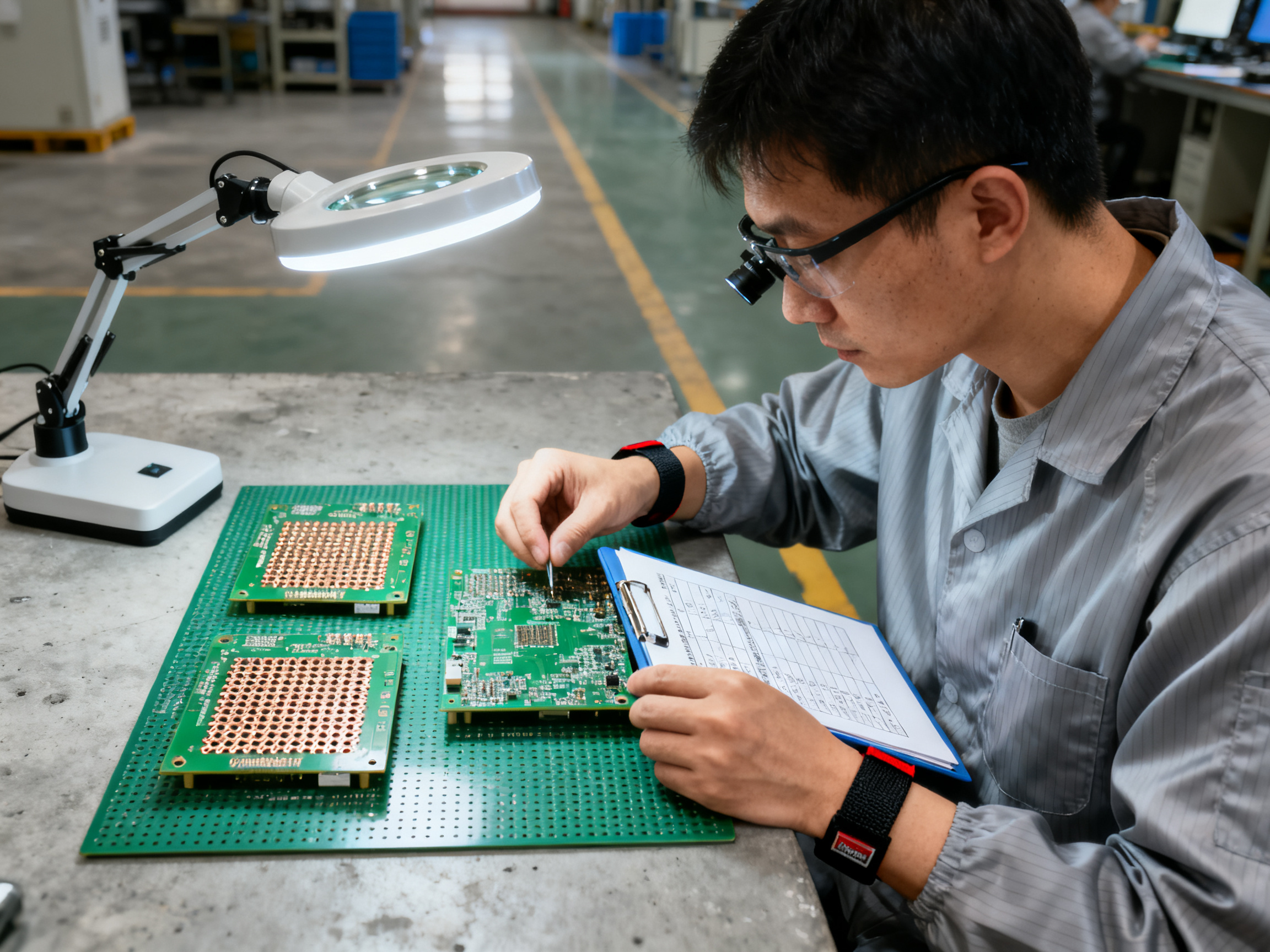
Ready to explore specific equipment options? Check out our full lineup of SMT production lines and reflow ovens to complete your assembly floor setup.