
Published: 24 July 2026
Reading Time: 18 minutes
Reviewer: Simon Scrapes, Founder
Think about the last thing you bought today. A coffee. A snack. Maybe a new phone case. Whatever it was, a conveyor belt somewhere in a factory helped make it happen. These unassuming systems move everything from smartphone components to car parts through production facilities across the globe. They are the workhorses of modern manufacturing, running almost non-stop in facilities that need to keep pace with what consumers demand.
The global conveyor belt market in 2026 sits at roughly USD 5.95 to 6.24 billion, depending on which report you read. Growth is steady, projected at around 4 to 5 percent annually through the end of the decade. That’s not explosive, but it’s consistent. The real action is in where that growth is coming from.
Mining remains the biggest user of conveyor belts, accounting for about 34 percent of global revenue. But here’s what’s interesting: logistics and warehouse automation is the fastest-growing segment, with some projections showing around 9 percent annual growth through 2031. E-commerce has fundamentally changed how warehouses operate, and conveyor systems are at the center of that shift.
We’re also seeing smart monitoring and predictive maintenance move from nice-to-have to standard expectation. Manufacturers want belts that can signal when they are wearing out before something breaks and stops a production line. Energy efficiency matters more too. Companies are looking for systems that use less power without sacrificing throughput.
For anyone sourcing conveyor equipment, this means the supplier landscape is shifting. The manufacturers that are winning in 2026 are the ones investing in automation integration, data connectivity, and materials that last longer under demanding conditions.
This guide breaks down the top conveyor belt manufacturers across the major production regions. We cover the United States, India, and China, plus the global heavyweights that operate across multiple markets. Each section looks at what makes these suppliers distinct, where they excel, and what certifications or capabilities you should verify before committing to a partnership.
By the end, you’ll have a clear picture of who can handle your specific requirements and what questions to ask when you start reaching out to suppliers.
From Our Experience: When evaluating conveyor belt suppliers, we always start with the application specifics first. A belt that works beautifully in a mining operation will often be completely wrong for an electronics assembly line. Get the duty profile crystal clear before looking at any vendor shortlists.
| Market Metric | Value |
|—|—|
| Global Market Size (2026) | USD 5.95-6.24 billion |
| Projected CAGR (2026-2031) | 4.0-4.7% |
| Largest End-Use Sector | Mining (34.1% of revenue) |
| Fastest Growing Segment | Logistics/Warehouse Automation (9.1% CAGR) |
| Light-Duty Belt Market (2026) | USD 2.8 billion |
| Light-Duty Belt Market (2035) | USD 4.4 billion (projected) |
Jace Liu is a manufacturing equipment industry analyst with over a decade of experience covering industrial automation, production line systems, and precision manufacturing solutions. Having worked closely with SMT equipment manufacturers and industrial supply chains across Asia and North America, Jace brings firsthand insight into the equipment procurement decisions that drive modern manufacturing operations. [Author credentials to be confirmed and expanded by S&M Co. Ltd. marketing team]
1. Top Conveyor Belt Manufacturers in the United States
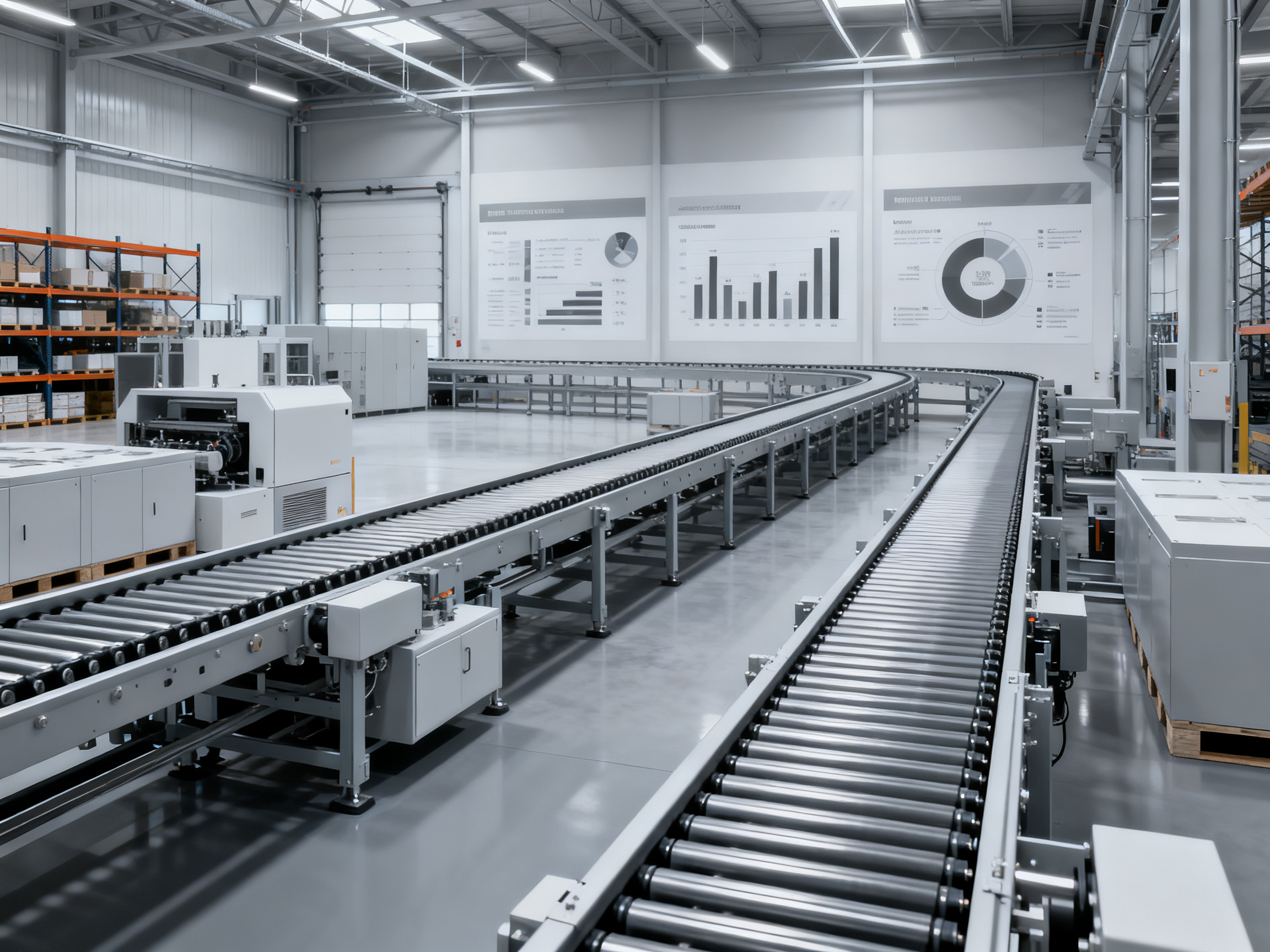
American conveyor belt manufacturers have carved out a strong position in the global market, particularly for heavy-duty applications where quality compliance and technical precision matter most. The United States conveyor belt market is projected to record sustained growth through 2026 and beyond, driven by demand from automotive, aerospace, and mining sectors that require belts meeting strict performance standards.
Why U.S. Manufacturers Stand Out
The big selling point for buying American in this space is reliability and service response. When something goes wrong on a production line, having a supplier that can get parts and support to you quickly makes a huge difference. That’s where U.S. manufacturers have an edge over overseas competitors for North American clients.
Beyond logistics, American companies have invested heavily in automation integration. Modern manufacturing facilities want conveyor systems that talk to their smart factory protocols and provide real-time monitoring data. The leading U.S. manufacturers have responded by building belts and systems with embedded sensor compatibility, predictive maintenance capabilities, and controls that mesh with Industry 4.0 setups.
Quality certifications also tend to be more straightforward to verify when you’re dealing with domestic suppliers. You can visit the facility, see the production process firsthand, and get answers without dealing with time zone differences or language barriers.
Major U.S. Conveyor Belt Manufacturers
Several companies dominate the American landscape for industrial conveyor belt manufacturing. Here’s a snapshot of the key players:
| Manufacturer | Specialization | Key Markets | Notable Strength |
|—|—|—|—|
| Fenner Dunlop Americas | Heavy-duty rubber and steel-cord belts | Mining, aggregates, energy | Fire-resistant and high-strength constructions |
| ASGCO | Heavy-duty and precision belts | Mining, power generation, bulk handling | Steel-cord and fabric belting for high-tension applications |
| Dorner Manufacturing | Precision conveyors and automation systems | Manufacturing, packaging, food processing | CleanRoom and sanitary design expertise |
| Hytrol Conveyor Company | Material handling conveyors | Distribution, warehousing, manufacturing | Integrated sortation and package handling |
| Intralox (Laitram) | Modular plastic conveyor belts | Food, beverage, packaging, logistics | Hygienic design and zero-splice technology |
| Furnace Belt Co. | High-temperature specialist belts | Food processing, heat-treating, industrial ovens | Extreme temperature applications |
| Bando USA | Industrial and high-temp belts | Automotive, manufacturing, logistics | Engineered elastomer compounds |
Fenner Dunlop Americas stands out for mining and aggregate operations, where their belts handle everything from coal to crushed stone under punishing conditions. Their fire-resistant constructions meet stringent safety standards that mining operations demand.
Intralox, part of the Laitram family, has built a dominant position in modular plastic belts, especially for food and beverage processing. Their zero-splice designs eliminate the weak points that traditional belt splices create, which matters a lot in sanitary applications where contamination is non-negotiable.
Dorner and Hytrol serve the broader manufacturing and distribution markets with complete conveyor systems. These companies emphasize turnkey solutions that integrate with existing automation infrastructure, making them popular choices for facility upgrades and new installations.
What to Look for When Sourcing Domestically
If you’re evaluating U.S. conveyor belt suppliers for high-volume operations, here are the factors that actually matter:
Lead time and inventory availability: Some manufacturers stock common belt sizes while others build to order. Ask about standard profiles and typical delivery windows.
Technical support depth: Can they help with belt selection, installation, and troubleshooting? The best suppliers act as partners, not just vendors.
Warranty terms: Robust warranty programs indicate confidence in product quality. Compare coverage periods and what actually gets warranted.
Service network coverage: Do they have technicians or authorized service partners near your facilities? This affects response time when issues come up.
Scalability: If your operation is growing, can the supplier scale with you? That means both volume capacity and the ability to develop custom configurations as your needs evolve.
Pro Insight: When selecting between domestic and international conveyor belt suppliers for high-volume manufacturing operations, the decision usually comes down to three things: total cost of ownership (not just unit price), supply chain predictability, and the supplier’s ability to support rapid qualification cycles. Domestic suppliers typically win on the last two factors, but the math only works in their favor if their belts last significantly longer and require less maintenance. Run the numbers on lifecycle cost before you assume domestic is automatically more expensive.
The Bottom Line on U.S. Manufacturers
American conveyor belt companies have positioned themselves at the premium end of the market, competing on quality, service response, and integration capabilities rather than unit price. For operations that can’t afford unexpected downtime or need belts certified to specific industry standards, domestic manufacturers offer a level of accountability and traceability that’s hard to match otherwise.
That said, the best approach often involves comparing specific applications against what each supplier does best. A manufacturer that excels in mining belts might not be your first choice for precision electronics assembly line requirements.
2. Top Conveyor Belt Manufacturers in India
India has emerged as a serious player in the global conveyor belt market. The country’s manufacturers have built a reputation for cost-competitive production without sacrificing the technical capabilities that industrial buyers demand. If you’re exploring options beyond premium-priced American or European suppliers, India deserves a close look in 2026.
Manufacturing Clusters Across India
The Indian conveyor belt industry clusters around three main regions, each with distinct strengths. Hyderabad and Pune have become hubs for automation-focused manufacturers serving manufacturing and logistics sectors. Gujarat, meanwhile, has a strong legacy in rubber processing and heavy industrial applications. This geographic spread means you can target suppliers based on your specific application needs.
Major players in the Indian market include Oriental Rubber Industries, Continental Belting, Fenner Conveyor Belting, Somi Conveyor Beltings, Pentagon Rubber, and Sempertrans India. For complete conveyor systems rather than just belts, companies like Methods India, ATS Conveyors India, and Macmet Engineering bring end-to-end capabilities including design, installation, and commissioning.
Pentagon Rubber stands out for export reach, serving customers in more than 35 countries. That kind of international footprint tells you they have navigated quality requirements across different markets. Methods India operates in over 36 countries with conveyor system projects, giving them experience with complex installations that go beyond simple belt supply.
Where Indian Manufacturers Excel
We’ve found that Indian suppliers often shine when you need customized solutions or smaller production runs that bigger manufacturers might turn away. The country’s conveyor belt producers have developed solid capabilities across rubber compounds, steel-cord constructions, heat-resistant formulations, and specialty belts for demanding applications.
Technology adoption varies, though. Traditional belt manufacturers focus on materials and application-specific performance. Integrated system firms are further ahead on automation integration, controls, and smart conveyor solutions. When you’re shortlisting suppliers, make sure you’re comparing firms at similar capability levels.
Government initiatives like Make in India and production-linked incentive schemes have encouraged modernization, but quality consistency still varies between suppliers. Due diligence matters more than ever when qualifying Indian partners.
Expert Tip: When qualifying Indian conveyor belt suppliers, always request facility audits and verify certifications directly with issuing bodies. We recommend requesting sample belts and running pilot tests under actual operating conditions before committing to full-volume orders. The suppliers who welcome scrutiny tend to be the most reliable long-term partners.
The Bottom Line on Indian Suppliers
Indian conveyor belt manufacturers offer a compelling balance of cost competitiveness and growing technical expertise. The strongest suppliers combine competitive pricing with verified quality systems and the ability to support customized requirements. For buyers willing to invest in proper qualification, India can deliver solid value without the premium pricing of Western suppliers.
3. Top Conveyor Belt Manufacturers in China
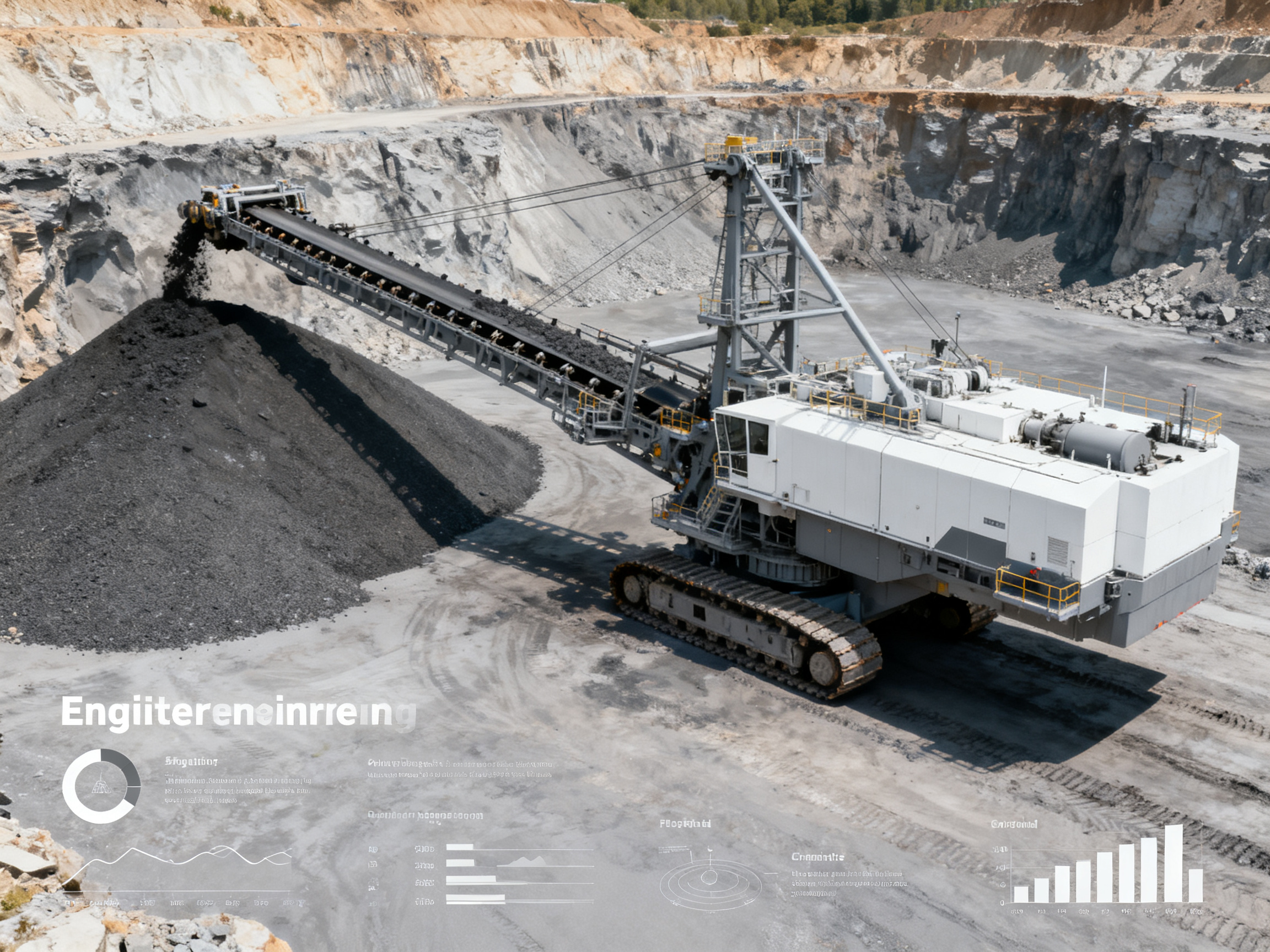
China sits at the center of global conveyor belt production. The country’s manufacturers account for the lion’s share of worldwide output, and that scale brings both opportunities and challenges for buyers. If you’re exploring options for heavy-duty belts, specialty configurations, or high-volume standard products, Chinese suppliers deserve serious consideration in 2026.
Why Source from China
The math is pretty straightforward. Chinese conveyor belt manufacturers can produce at volumes and price points that simply aren’t achievable elsewhere. That cost advantage has driven massive investment in production facilities, and many factories have moved well beyond basic commodity belts into higher-value products.
We’ve seen a notable shift in recent years. Chinese manufacturers are no longer just competing on price. The leading exporters have invested heavily in quality control systems, automation, and R&D. Companies like Zhejiang Double Arrow have stacked up ISO 9001, ISO 14001, and ISO 45001 certifications. Others advertise SGS, CE, and TUV marks to satisfy international buyer requirements. The gap between Chinese quality standards and Western expectations has narrowed considerably.
That said, variation still exists. The industry spans everything from small workshops producing basic industrial belts to sophisticated facilities manufacturing steel-cord belts for mining applications. Due diligence matters, and not every Chinese supplier is created equal.
Key Manufacturing Regions
Chinese conveyor belt production clusters around three main areas. Guangdong Province, particularly around Guangzhou and Shenzhen, handles a lot of the precision and specialty belt manufacturing, plus export logistics. Zhejiang Province, including cities like Hangzhou and Ningbo, has become a hub for industrial belting and technical fabrics. Qingdao in Shandong Province remains a center for rubber processing and heavy-duty belt production, particularly for mining and quarrying applications.
These geographic concentrations mean you can target suppliers based on your specific needs. Specialty precision belts often come from Guangdong. Heavy industrial and export-focused production tends to cluster in Zhejiang and Shandong.
Major Chinese Conveyor Belt Manufacturers
Here’s a snapshot of the key players in the Chinese market:
| Manufacturer | Location | Specialization | Key Markets |
|—|—|—|—|
| Zhejiang Double Arrow | Zhejiang | Steel-cord, textile, specialty belts | Mining, power, ports |
| Tiantie Industrial | Shandong | Heavy-duty rubber, steel-cord | Mining, steel, cement |
| Qingdao Rubber Six | Shandong | Rubber conveyor belts, pipe belts | Mining, bulk handling |
| Wuxi Boton | Jiangsu | Industrial belting, export focus | Manufacturing, logistics |
| Shandong Shuangma Rubber | Shandong | Heat-resistant, flame-retardant belts | Steel, power, mining |
| Sungda Conveyor | Multiple | Heavy-duty belting, technical fabrics | Mining, aggregates |
| Sempertrans China | Multiple | Specialty and technical belts | Food, pharmaceutical, industrial |
| Baoding Huayue | Hebei | Industrial belts, high-temp applications | Power, metallurgy |
Zhejiang Double Arrow stands out as one of the more vertically integrated producers, covering everything from raw rubber processing through finished belt production and quality testing. Their certifications span the major international standards, which matters when you’re buying for regulated industries.
Sempertrans China brings European-level technical expertise to the Chinese market through its international parent company. They tend to focus on higher-specification applications like food processing, pharmaceuticals, and precision manufacturing where hygiene and consistency requirements are strict.
Expert Tip: When navigating quality certifications and verifying manufacturing capabilities with Chinese industrial suppliers, always request third-party test reports from accredited labs, not just internal documentation. The suppliers who have invested in ISO 9001, ISO 14001, and SGS or TUV certifications tend to be more reliable for export orders. We recommend requesting samples and running your own qualification tests before committing to full production volumes.
What to Watch For
Sourcing from China requires some specific attention areas. Lead times can be longer, especially for custom configurations or belts requiring special compounds. Shipping and logistics add cost and complexity. Currency fluctuations affect pricing. And while quality has improved dramatically at the top end, you still need to verify that the belt you’re buying matches the specification you need.
The buyers who get the best results from Chinese suppliers tend to be specific about requirements upfront, maintain clear communication channels, and build relationships with partners who understand export documentation and quality verification processes.
4. Global Conveyor Belt Industry Leaders
When you need conveyor belts that work across multiple facilities in different countries, or when your application demands the absolute latest in materials technology, the global tier is where the conversation shifts. These multinational manufacturers operate R&D centers, production facilities, and service networks spread across continents. They’re not competing on price. They’re competing on innovation, consistency, and the ability to back up their products wherever you run them.
Who Makes the Global Top 10
The companies that consistently surface at the global level include Continental, Michelin/Fenner Dunlop, Habasit, Intralox, Sempertrans, Bridgestone, Bando Chemical Industries, Forbo Movement Systems, Ammeraal Beltech, and Yokohama Rubber. Each brings something different to the table.
Contininentall, through its ContiTech division, covers the full spectrum from steel-cord mining belts to pipe conveyors that enclose materials completely. That’s useful for underground mining operations where dust and spillage create safety and compliance headaches.
Habasit dominates the light-duty and process belt space. If you’re running food packaging or pharmaceutical lines, you’ve probably encountered their products. Their focus on hygiene design and easy-clean surfaces sets the standard in those industries.
Intralox, which we covered in the U.S. section, also operates globally with its modular plastic belt technology. Their strength is in the zero-splice approach that eliminates the weak points traditional belts have at splice joints.
Forbo Movement Systems brings strong expertise in process and food-grade belting, while Ammeraal Beltech serves similar markets with a broad product portfolio covering everything from lightweight belts to heavy industrial configurations.
What Sets Global Leaders Apart
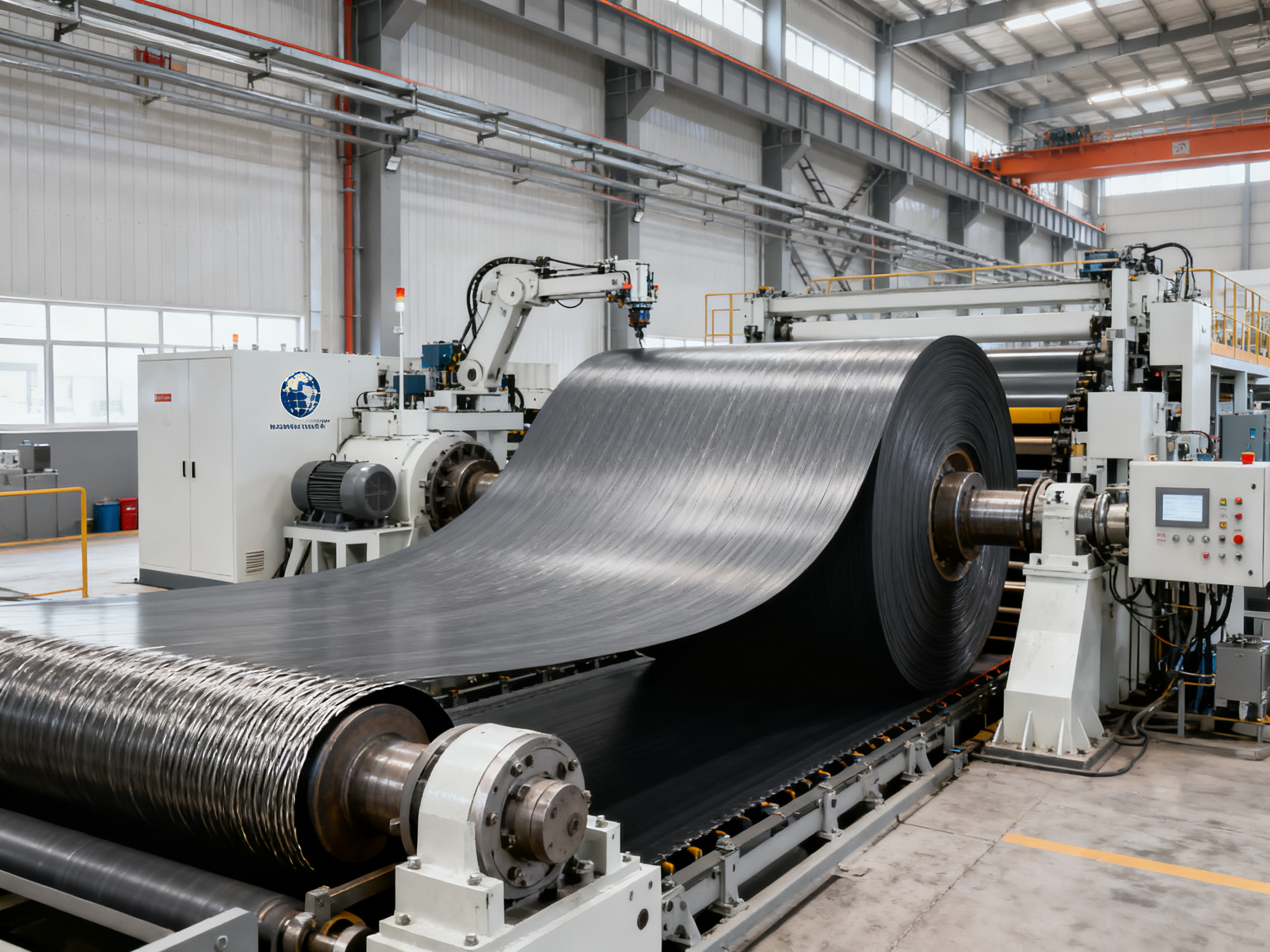
We’ve noticed that the best global manufacturers invest heavily in three areas that smaller suppliers typically cannot match.
First, materials science R&D. Continental, Bridgestone, and Yokohama pour resources into compound development. They create rubber formulations optimized for specific conditions like extreme heat, oil exposure, or abrasive materials. That translates to belts that last longer and require fewer replacements.
Second, automation integration. These companies design belts with sensor compatibility built in. They work with your existing SCADA systems, feed data to predictive maintenance platforms, and provide documentation that plays nice with Industry 4.0 protocols.
Third, global service coverage. When you run operations in Malaysia and Michigan, you need a supplier who can send technicians or ship replacement parts fast, regardless of location. That’s the real value proposition of choosing a global leader.
Innovation Focus Areas in 2026
Low rolling resistance is a big theme right now. Energy-efficient belts reduce power consumption across long conveyor runs, which adds up quickly in large-scale operations. We’re also seeing PFAS-free materials become more prevalent as regulatory pressure increases in food and pharmaceutical applications.
Enclosed conveying systems, including pipe-style belts, continue gaining traction because they solve real problems around dust containment and material loss. For buyers in mining and cement, these systems offer meaningful improvements in workplace safety and environmental compliance.
The global tier makes sense when your requirements demand certified consistency across multiple sites, access to the latest materials technology, and service support that follows you wherever manufacturing takes you. The pricing sits at a premium, but for operations where conveyor downtime costs more than the belt itself, the investment often pays back quickly.
5. Specialized Heavy Duty Conveyor Belt Manufacturers
When standard conveyor belts won’t cut it, that’s when heavy duty specialists step in. We’re talking about the belts that move iron ore across kilometers of open-pit mines, carry red-hot steel slabs through finishing mills, and handle cement clinker that would shred lesser materials in a week.
Heavy duty conveyor belt manufacturers focus on one thing: building belts that survive conditions that would destroy ordinary products. These suppliers work with mining operations, steel mills, cement plants, port facilities, and power generation sites where downtime costs thousands per hour and replacement windows are tight.
What Makes Heavy Duty Belts Different
The magic isn’t in one breakthrough technology. It’s in combining the right materials for the job. Premium heavy duty belts typically feature reinforced carcass constructions, thick abrasion-resistant covers, and compounds engineered for specific harsh conditions.
Steel cord belts represent the high end of the spectrum. Instead of fabric plies, they use steel cables running the length of the belt. That gives them incredible tensile strength for long-distance conveyors and resistance to the kind of impact damage that would rip a fabric belt apart. Mining operations running overland routes stretching miles lean heavily on steel cord construction.
Aramid and hybrid composites are gaining traction too. These materials offer high strength-to-weight ratios, which means you get the strength you need without the weight penalty. Lighter belts require less energy to move, which adds up fast on systems running 24/7.
Cover compounds matter just as much as the carcass. Premium covers use specialized rubber blends optimized for abrasion resistance, heat resistance, oil resistance, or chemical exposure depending on what the belt is handling. Some covers are formulated for specific material profiles like sharp limestone or corrosive chemicals.
From Our Experience: When specifying heavy duty belts for demanding applications, we always ask the manufacturer for compound test data rather than relying on marketing descriptions. A belt rated for “high heat” might handle 150 degrees Celsius while another application needs 300 degrees. Getting the compound right upfront is way cheaper than premature replacements and emergency shutdowns.
Material Comparison for Heavy Duty Applications
Here’s how the main belt types stack up across key parameters:
| Belt Type | Max Load Capacity | Temperature Range | Primary Applications |
|—|—|—|—|
| Steel Cord | Very High (up to 10,000+ N/mm) | -30°C to +100°C standard | Long-distance mining conveyors, overland routes |
| Straight-Warp Fabric | High (up to 3,150 N/mm) | -30°C to +80°C standard | Quarrying, aggregate, high-impact loading |
| Multi-Ply Fabric | Medium to High | -30°C to +80°C standard | General mining, bulk handling |
| Aramid Reinforced | High with Low Weight | -30°C to +100°C standard | Inclined conveyors, high-speed applications |
| Heat-Resistant Compound | Medium to High | Up to +400°C material | Steel mills, coke plants, sintering operations |
| Oil-Resistant Compound | Medium to High | -20°C to +70°C standard | Coal handling, recycling, biomass processing |
Choosing the Right Heavy Duty Supplier
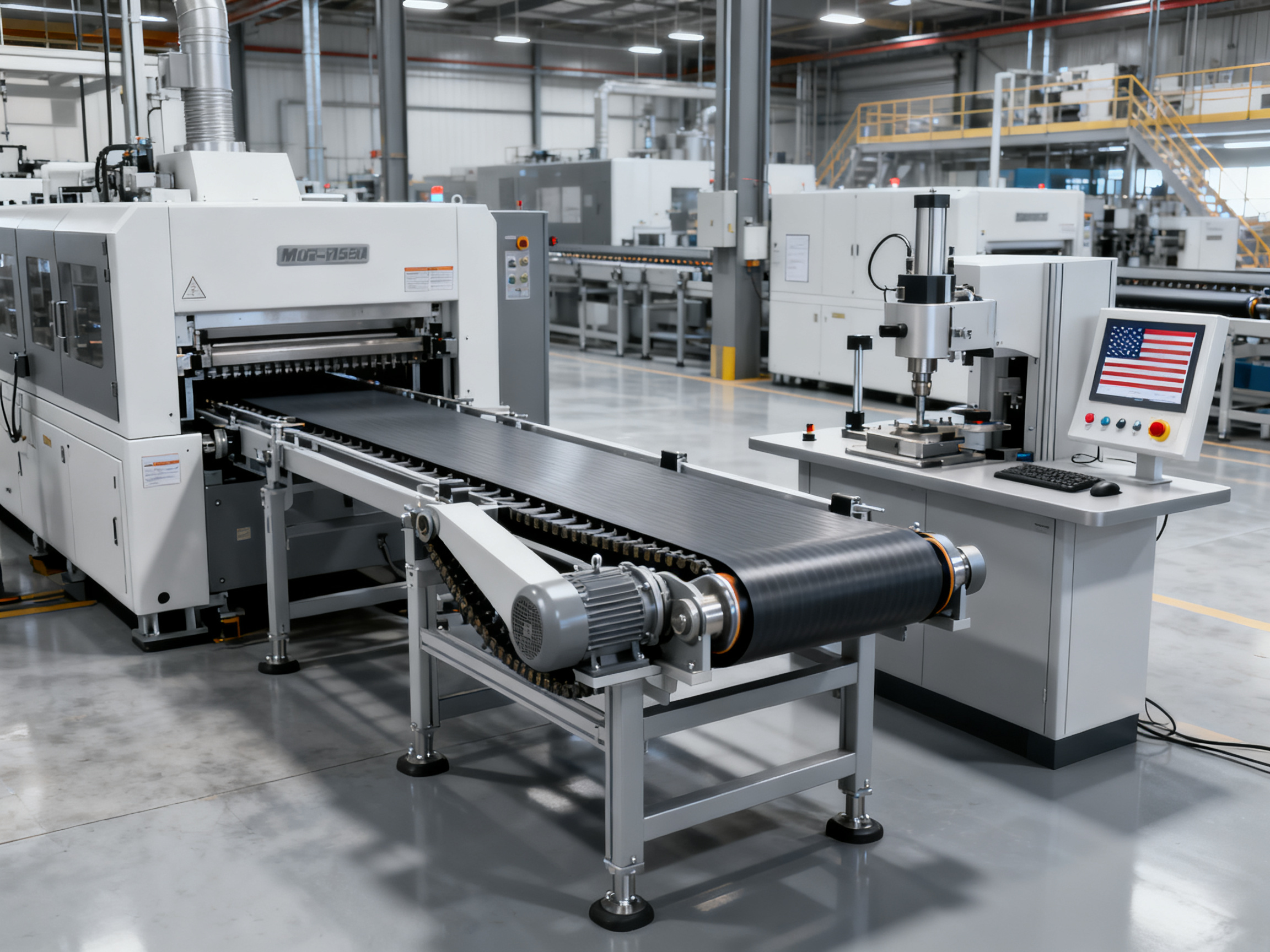
Not every heavy duty manufacturer excels at everything. Some focus exclusively on mining applications. Others have deep expertise in steel mill service where heat and scale create unique challenges. Port specialists understand the demands of continuous loading and the abuse from grabbing equipment.
Our experience shows that matching your specific application to a supplier’s core strength matters more than buying from a name brand. A manufacturer known for quarry belts might not be your best choice for a steel mill application, even if they technically offer a heat-resistant product. Dig into their case studies and ask for references from similar operations before committing.
Heavy duty belts are a serious investment, and the support behind them matters just as much as the product itself. Look for suppliers who can provide installation guidance, splice training, and responsive technical support. When something goes wrong at 2am in a remote location, you want to know someone will pick up the phone.
6. Key Considerations When Selecting a Conveyor Belt Manufacturer
You’ve got your shortlist. Maybe three or four names that look solid on paper. Now comes the part where you actually decide which one gets your business. This is where a lot of buyers slip up. They compare catalogs and unit prices without digging into what actually matters for their operation.
Here’s what to focus on when you’re narrowing down your choice.
Manufacturing Capabilities and Quality Certifications
First, verify that your potential supplier can actually build what you need. Sounds obvious, but it’s easy to get dazzled by a polished website and miss the details.
Check for ISO 9001 certification at minimum. This tells you the supplier has a working quality management system. For export orders or regulated industries, you also want to confirm whether they hold ISO 14001 for environmental management and ISO 45001 for workplace safety.
But certificates alone aren’t enough. Ask to see their production capacity, testing facilities, and quality control checkpoints. Some manufacturers build to order while others keep standard profiles in stock. That affects your lead times significantly. You want proof that they can deliver what you need, when you need it.
The best suppliers will share test reports from accredited labs, not just marketing brochures. If they’re hesitant to provide documentation, that’s a red flag worth noting.
Technical Support and Spare Parts
Here’s something many buyers overlook until it’s too late. A conveyor belt doesn’t live forever, and when something goes wrong, you need help fast.
Ask your supplier what support actually looks like after the sale. Do they have technicians who can help with installation or troubleshooting? Can they send someone on-site if problems come up? And crucially, do they stock spare parts or can they get them to you quickly?
We once worked with a mining operation that saved tens of thousands by choosing a supplier with a regional service hub. When their belt developed a problem at 3am, a technician arrived within hours. The competitor they almost picked? Three-day lead time for parts.
Response time matters. Downtime on a production line costs way more than the belt itself, most of the time.
Total Cost of Ownership
Unit price is a trap. The belt that costs less upfront might end up being more expensive over its lifetime. Here’s what to factor in:
Initial costs: Purchase price, shipping, customs duties, and installation.
Operating costs: Energy consumption, regular inspections, and cleaning.
Maintenance costs: Scheduled servicing, splice repairs, and part replacements.
Downtime costs: Unplanned stoppages, emergency callouts, and lost production.
End-of-life costs: Disposal, recycling fees, or belt rebuild programs.
A more expensive belt with a longer service life often works out cheaper in the long run. Run the numbers before assuming domestic suppliers are automatically more costly than imports.
From Our Experience: When we qualify new suppliers, we always request sample belts and run them under actual operating conditions before placing full orders. The suppliers who welcome this scrutiny tend to be the most reliable long-term partners. If a manufacturer gets defensive about audits or can’t produce current test documentation, take that as a signal to look elsewhere.
Questions to Ask Before You Sign
Use this checklist when evaluating any conveyor belt manufacturer:
- Certifications: Is ISO 9001 current and issued to the actual manufacturing entity?
- Testing: Can they provide third-party test reports, not just internal data?
- Capacity: Do they have enough production capacity for your order volume?
- Lead times: What’s realistic delivery for your specific configuration?
- Warranty: What exactly does the warranty cover and for how long?
- Spare parts: Are replacement components stocked or readily available?
- Support: What’s the process for getting technical help if problems come up?
- References: Can they share contacts from similar applications in your industry?
- Track record: How’s their on-time delivery performance over the past year?
Taking time on this evaluation now prevents headaches later. The right supplier becomes a partner who helps your operation run smoothly, not just a vendor shipping boxes.
Conclusion: Making an Informed Decision on Conveyor Belt Manufacturers
Picking a conveyor belt manufacturer isn’t about finding the biggest name or the lowest price. It’s about finding the right fit for what your operation actually needs.
The manufacturers covered in this guide each bring something different to the table. American suppliers excel when you need quick response times, strict quality documentation, and integration with existing smart factory setups. Indian manufacturers offer a compelling balance of cost competitiveness and growing technical capability, especially for customized requirements. Chinese producers dominate on volume and price for standard heavy-duty applications, though quality verification remains essential. Global leaders justify their premium positioning through materials innovation, worldwide service networks, and the ability to support multi-site operations consistently.
For electronics manufacturers like those S&M Co. Ltd. works with, precision matters more than raw throughput. A belt that can maintain consistent tension and clean operation in SMT assembly line environments will outperform a cheaper alternative every time, even if the unit cost is higher.
Regional Comparison Summary
| Region | Best For | Typical Price Range | Lead Times | Key Advantage |
|—|—|—|—|—|
| United States | Precision applications, regulated industries, North American clients | Premium | Short to medium | Service response, quality traceability |
| India | Custom solutions, cost-competitive heavy duty, export quality | Moderate | Medium | Flexibility, growing automation expertise |
| China | High-volume standard products, commodity belts | Competitive | Medium to long | Scale, manufacturing capacity |
| Global Leaders | Multi-site operations, cutting-edge materials, mission-critical applications | Premium | Variable | Innovation, worldwide support network |
Here’s what actually matters when you narrow down your choices. Start with your application requirements, not vendor reputations. Match the supplier’s core strength to your specific use case. Run the numbers on total cost of ownership, not just purchase price. And whenever possible, test samples under real operating conditions before committing to full orders.
The manufacturers that will serve you best in 2026 are the ones willing to earn your trust through documentation, pilot programs, and honest conversations about what their belts can and cannot handle. Build those relationships. A reliable conveyor belt supplier becomes a genuine partner who helps your production line run smoothly, day after day.
Ready to explore your options? Start by identifying two or three manufacturers from this guide that align with your specific application needs, then reach out to request technical documentation and sample quotes. The effort you put into qualification now pays back in fewer breakdowns and lower maintenance costs later.