



Gepubliceerd: 21 May 2026
Leestijd: 12 minutes
Reviewer: Placeholder Reviewer, Placeholder Credentials
Cold Solder Joints: Comprehensive Guide to Causes, Effects, and Prevention
You know that sinking feeling when your brand-new gadget just won’t turn on? Turns out, the root cause is often hidden deep in the electronics: bad soldering. Specifically, a cold solder joint.
A cold solder joint happens when the solder bond in an electrical circuit isn’t solid or complete. This issue is particularly common in Surface Mount Technology (SMT) manufacturing, where precision is everything. Whether it’s due to low heat during soldering, improper settings, or movement during cooling, these defects are the silent saboteurs of reliable electronics.
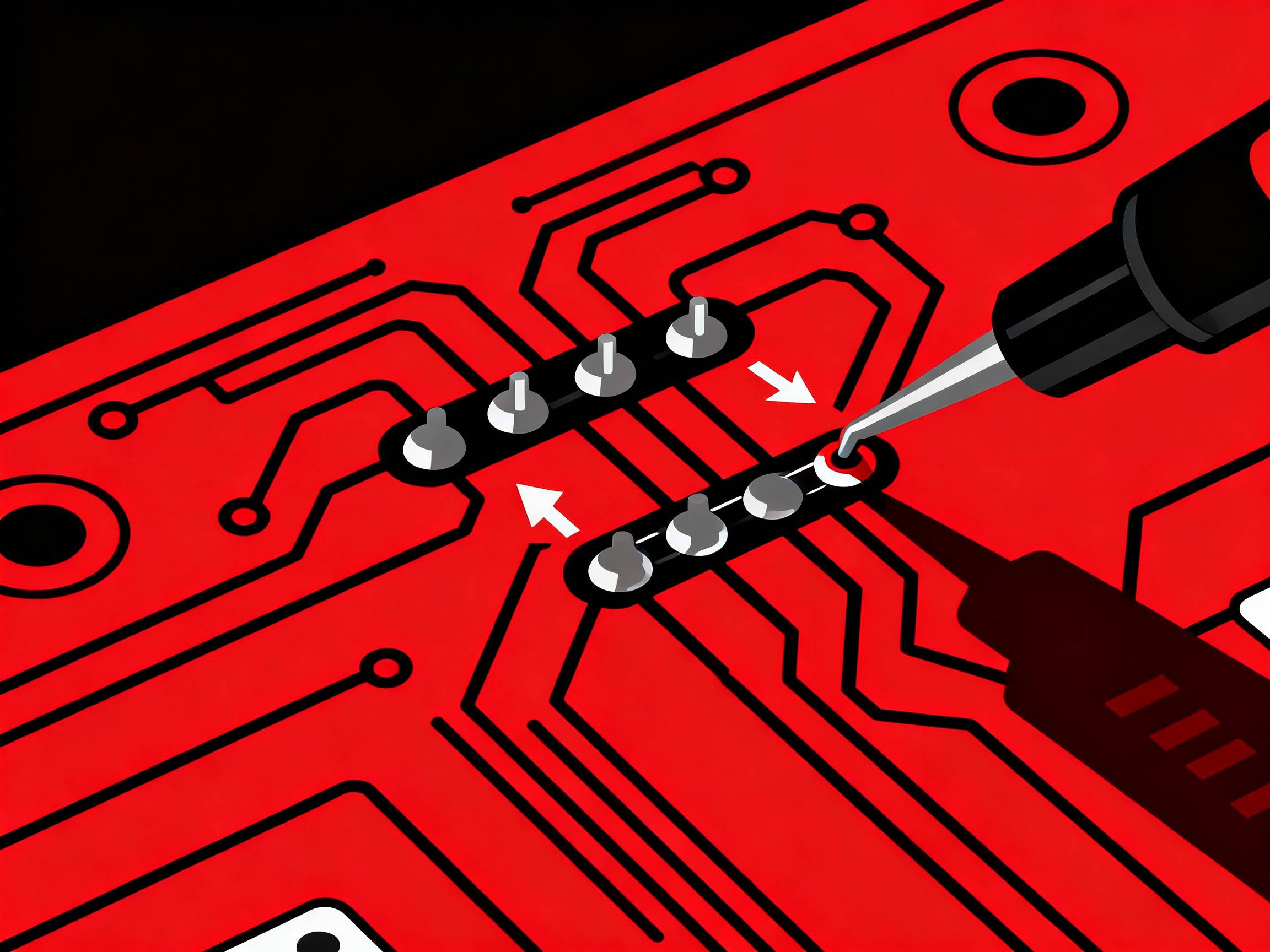
If you’re in industries like aerospace, automotive, or semiconductors, addressing cold solder joints isn’t just good practice. It’s non-negotiable. Faulty soldering can lead to massive losses in high-production environments, plus delays, failures, and unhappy customers.
Quick Fact: According to recent studies, solder-related defects make up a big part of manufacturing yield loss in SMT production lines worldwide.
In this guide, we’ll break down what cold solder joints are, what causes them, and how they impact your products. Plus, you’ll learn practical steps to prevent them once and for all.

Placeholder for Author Bio confirming relevant expertise in SMT equipment, soldering techniques, or electronics manufacturing.